
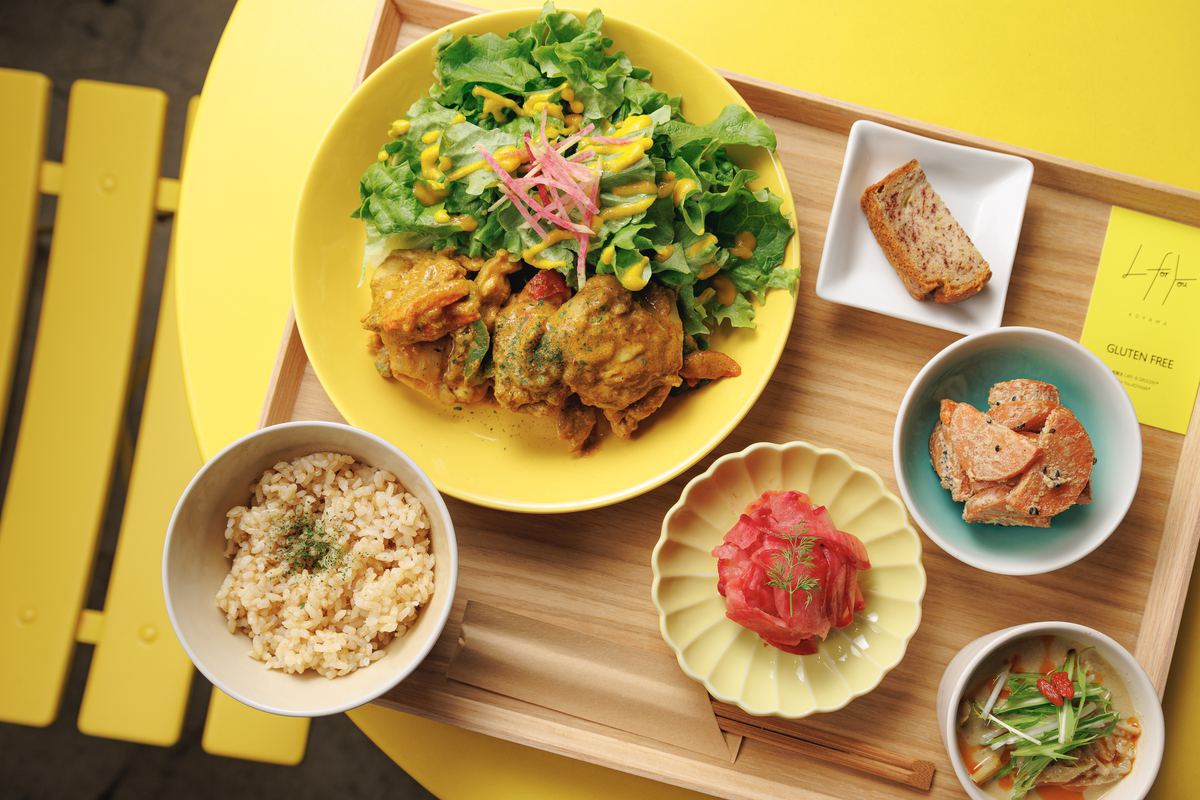

Japanese food can look easy to eat without gluten: rice, fish, vegetables, soup. But wheat hides in the seasonings. Most Japanese soy sauce is brewed with wheat, and soy sauce goes into dipping sauces, glazes, soups and snacks.
This guide lists where wheat or barley often turns up, with the Japanese words as you will see them, and a question to ask for each dish. For reading the label on a package, see How to Read Japanese Food Labels for Wheat and Gluten.
Soy Sauce (醤油): Where Most Hidden Wheat Starts
Japanese soy sauce is brewed from soybeans, wheat and salt; the wheat gives it aroma and sweetness. So a dish can contain wheat even when it looks like plain fish or rice — the soy sauce is where it comes in.
| What it is | What to check | |
|---|---|---|
| 醤油・しょうゆ shōyu / soy sauce | Brewed from soybeans, wheat and salt. Koikuchi (こいくち), the most common type, makes up about 84% of soy sauce shipped in Japan | Look for 小麦 in the ingredient list (原材料名), such as 大豆・小麦・食塩 |
| たまり tamari | A thick, dark soy sauce made mainly from soybeans. Some is made without wheat; some contains a little | Look for 小麦不使用 (no wheat used) on the bottle, or check the ingredient list |
| だし醤油・つゆ・めんつゆ dashi shōyu / tsuyu / mentsuyu | Soy sauce mixed with dashi, mirin or sugar. Used for noodles, simmered dishes and tempura (天つゆ) | Soba and udon dipping sauce is usually this |
| ポン酢 ponzu | Soy sauce mixed with vinegar and citrus juice | Served with hot pots and grilled fish |
| たれ tare / sauce | Sauces for teriyaki (照り焼き), yakitori (焼き鳥) and grilled eel (蒲焼き) are built on soy sauce | At yakitori restaurants, 塩 (shio, salt) is the usual alternative to たれ |
Recipes differ by maker and by restaurant. Based on the Soy Sauce Information Center.
Tamari is the one to know. The name alone does not tell you whether wheat is used, so look for 小麦不使用 (no wheat used) on the bottle, or for no 小麦 in the ingredient list.
Miso (味噌) and Dashi (だし)
Miso is named after the koji it is made with: rice, soybean or barley. Dashi, the broth behind miso soup and many simmered dishes, starts from kelp or dried fish. The instant versions are where the ingredients vary.
| What it is | What to check | |
|---|---|---|
| 米味噌 kome miso / rice miso | Made with rice koji. About 80% of miso made in Japan | Check the ingredient list for 大麦 (barley) and 小麦 (wheat) |
| 豆味噌 mame miso / soybean miso | Made with soybean koji. Mainly from Aichi, Mie and Gifu | Check the ingredient list |
| 麦味噌 mugi miso / barley miso | Made with barley koji (麦麹). Mainly from Kyushu and parts of Chugoku and Shikoku | Barley is one of the grains that contain gluten |
| 調合味噌・合わせ味噌 chōgō / awase miso | A blend of two or more kinds of miso | May include barley miso |
| だし dashi | Broth made from kelp (昆布), bonito flakes (かつお節) or dried sardines (煮干し) | Plain dashi made from these has no wheat in it. Ask what else seasons the soup |
| 顆粒だし・だしの素・白だし instant dashi / shiro-dashi | Dashi powder, granules and liquid concentrates | Ingredients vary by maker. Some contain soy sauce or wheat |
Based on JETRO's guide to miso and soy sauce. Products differ by maker.
In a bowl of miso soup, there are two more things to ask about: whether it contains 麩 (fu, made from wheat gluten), and whether any soy sauce goes in.
Batter, Breading and Noodles
Fried food and noodles are the most familiar places for wheat. A few are easy to miss, such as yakisoba, which is made with wheat noodles despite its name, and most soba.
| Where the wheat is | Keep in mind | |
|---|---|---|
| 天ぷら tempura | The batter is usually wheat flour | Tempura dipping sauce (天つゆ) is made with soy sauce |
| フライ・とんかつ furai / tonkatsu | Coated in wheat flour and bread crumbs (パン粉, panko) | Tonkatsu sauce varies by maker (see below) |
| 唐揚げ karaage | Usually marinated in soy sauce, then coated in wheat flour, potato starch (片栗粉) or both | A potato-starch coating does not rule out soy sauce in the marinade |
| うどん・ラーメン・焼きそば udon / ramen / yakisoba | Wheat noodles. Yakisoba is wheat noodles, not buckwheat | Ramen soup is often seasoned with soy sauce or miso |
| そば soba | Buckwheat noodles, but many contain wheat flour as a binder. 二八 (ni-hachi) is generally taken to mean 8 parts buckwheat to 2 parts wheat flour | 十割 (jūwari) means buckwheat only. The dipping sauce is made with soy sauce |
| お好み焼き・たこ焼き okonomiyaki / takoyaki | The batter is wheat flour | Usually topped with a thick brown sauce |
| 麩 fu | Made from wheat gluten | Floats in miso soup and clear soups, and goes into sukiyaki |
| カレー Japanese curry | Curry roux (カレールウ) is usually thickened with wheat flour | Also in curry udon and curry bread |
Buckwheat (そば) is itself one of the allergens that must be labeled on packaged food in Japan.
Sauces, Sweeteners and Drinks You Might Not Suspect
Some of the least obvious ones are on the table rather than in the dish: the brown sauce for tonkatsu, the glaze on a rice cracker, or the cold tea poured when you sit down.
| What it is | What to check | |
|---|---|---|
| ソース・とんかつソース sōsu / tonkatsu sauce | A brown sauce made from vegetables, fruit, sugar, vinegar and spices. Recipes differ by maker | Look for 小麦 and 醤油 in the ingredient list |
| みりん・みりん風調味料 mirin / mirin-style seasoning | Hon-mirin (本みりん) is brewed from glutinous rice, rice koji and shochu or alcohol. Mirin-style seasonings are a separate product | Ingredients vary. Check the ingredient list |
| 麦茶 mugicha / barley tea | Roasted barley (大麦) steeped in water. Often served cold | Barley is one of the grains that contain gluten. Ask for water (お水) or green tea (緑茶) |
| せんべい・あられ senbei / arare rice crackers | Made from rice, but many are seasoned with soy sauce | Look for 醤油 and 小麦 on the pack |
Eating Out: One Question for Each Dish
Japan’s allergy labeling covers packaged food. Meals served in restaurants and food sold unwrapped are outside it, so the surest step is to ask. These questions can be shown on your phone.
| Show this | What it asks | |
|---|---|---|
| Sushi and sashimi | 小麦を使っていないお醤油はありますか? | Do you have soy sauce made without wheat? |
| Tempura | 天ぷらの衣に小麦粉は入っていますか? | Is there wheat flour in the tempura batter? |
| Yakitori | たれではなく、塩でお願いできますか? | Could I have it with salt instead of sauce? |
| Miso soup | このお味噌汁に、大麦や小麦は入っていますか? | Does this miso soup contain barley or wheat? |
| Soba | そば粉だけのおそばはありますか? | Do you have soba made only from buckwheat? |
| Karaage | 唐揚げの下味や衣に、醤油や小麦粉を使っていますか? | Is soy sauce or wheat flour used in the marinade or coating? |
| Barley tea | 麦茶ではなく、お水をいただけますか? | Could I have water instead of barley tea? |
Restaurants are not required to show allergy information, but many can tell you what is in a dish.
Whether a dish suits you is a decision only you can make. If you react to trace amounts, ask how each dish is made — for example, whether the fryer oil or the noodle water is shared with wheat dishes.
Frequently Asked Questions
Seasonings Made Without Wheat at L for You
At L for You AOYAMA, every seasoning is made without wheat. Our soy sauce is a wheat-free tamari, and our miso comes directly from Yosobei Farm in Yamagata Prefecture. Some seasonings come to us through suppliers; we check that each one is made without wheat before we use it.
We don’t use wheat flour, and no wheat is handled in our kitchen. However, we cannot rule out trace contamination that comes from the raw materials themselves — for example, when an ingredient is grown or processed near wheat. Some items contain nuts such as walnuts and almonds. Please tell our staff before you order.
| L for You AOYAMA | |
|---|---|
| Address | Ikegami Building 1F, 3-9-3 Minami-Aoyama, Minato-ku, Tokyo |
| Access | 6-minute walk from Omotesando Station, Exit A4 |
| Hours | Mon–Thu 11:00–20:00 / Fri 11:00–21:00 / Sat 9:30–21:00 / Sun 9:30–18:00 |
| Phone | +81-3-6459-2504 |
See access and opening hours and our menu, read how we handle soy sauce and miso for celiac guests, or start with Gluten-Free in Japan: A First-Time Visitor’s Guide.
Sources (checked October 25, 2026)
- Consumer Affairs Agency: Handbook on allergy labeling for processed foods (April 2026, Japanese, PDF)
- Soy Sauce Information Center: Types of soy sauce and soy-sauce-based seasonings (Japanese)
- Soy Sauce Information Center: Ingredients of soy sauce (Japanese)
- JETRO: Miso and soy sauce (Japanese)
- Coeliac UK: What is gluten?