
“Is the soy sauce made with wheat? What about the miso?” That is the question we hear most often from visitors with celiac disease or a wheat allergy. Japanese cooking relies heavily on soy sauce and miso, and both can contain wheat.
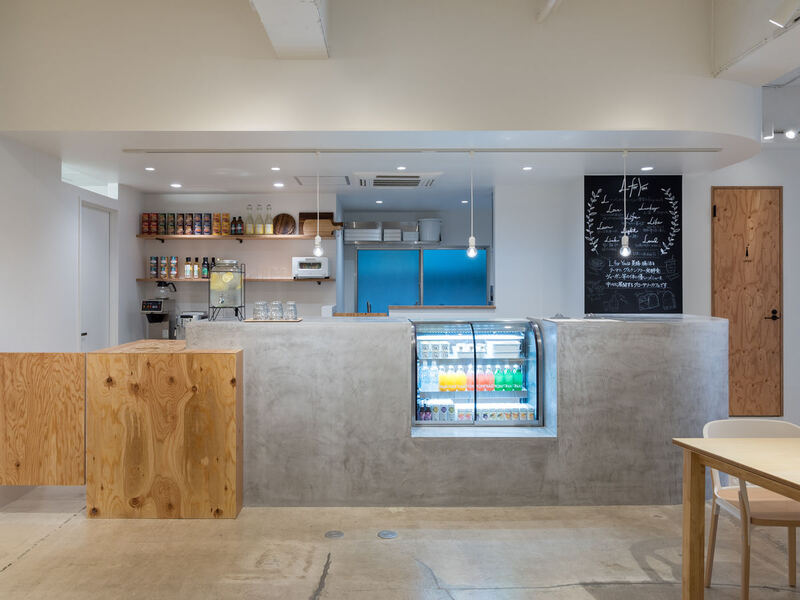
At L for You AOYAMA, a 6-minute walk from Omotesando Station (Exit A4) in Minami-Aoyama, our kitchen is built around that question. Here is what we do, and what we tell you before you order.
Why L for You Exists
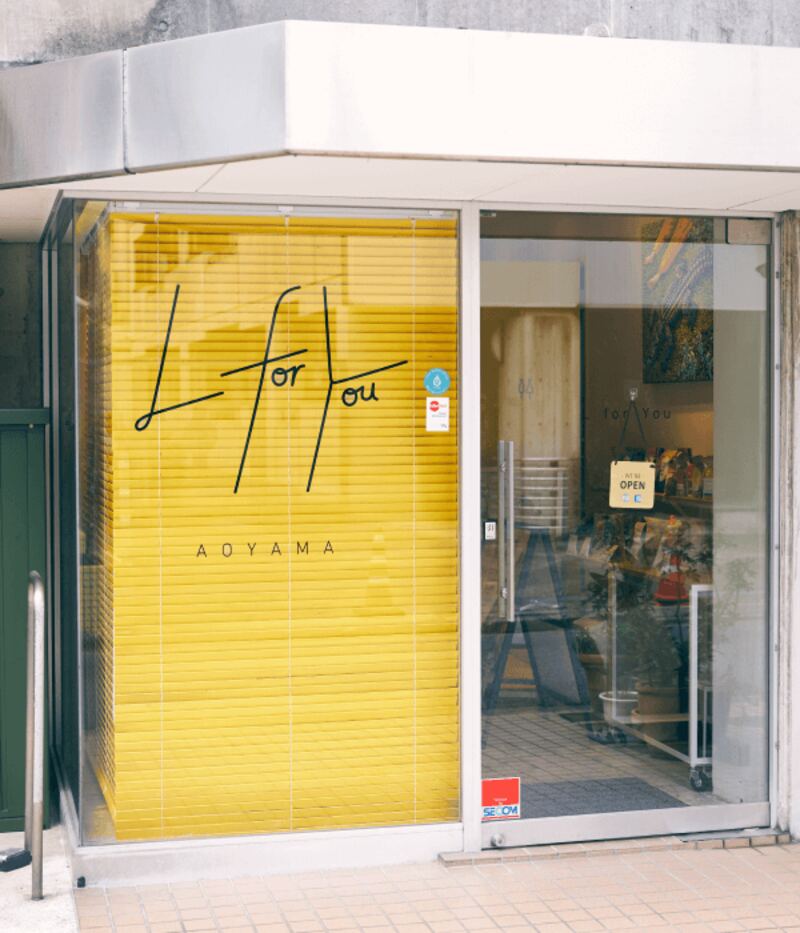
L for You opened in 2017. Our founder, Makoto Yamamuro, was advised by his doctor to cut wheat out of his diet. As he changed what he ate he began to feel better — but at the time, Tokyo had almost nowhere he could eat out without worrying about wheat, right down to the soy sauce and miso.
L for You was built to fill that gap. Since opening in 2017, that starting point has not changed.
Three Reasons Celiac Guests Choose L for You
1. Every Seasoning Is Made Without Wheat — Including Soy Sauce and Miso
For celiac visitors to Japan, soy sauce is one of the easiest places to miss wheat. Most soy sauce sold in Japan is brewed with wheat — standard koikuchi (dark) soy sauce uses roughly equal parts soybeans and wheat.
Miso is less of a concern. Rice miso and soybean miso are usually made without wheat, but barley miso and some blended miso can contain it, so it is still worth checking.
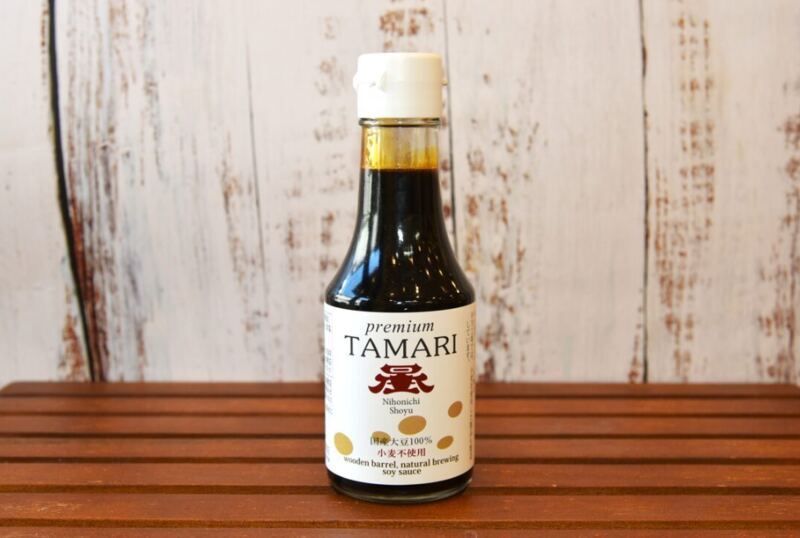
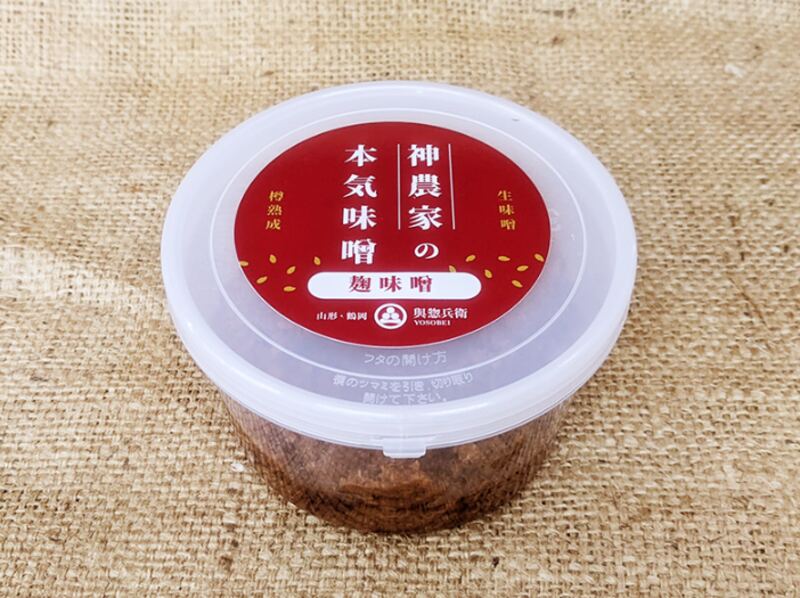
Every seasoning in every dish at L for You is made without wheat. Our miso comes directly from Yosobei Farm in Yamagata Prefecture, and our soy sauce is a wheat-free tamari.
Some seasonings come to us through suppliers. We check that each one is made without wheat before we use it.
2. We Tell You What We Can and Cannot Do
On our QR ordering screen, and on the information card we hand to guests with a wheat allergy, we set out the following:
- The 20 ppm standard: we only use ingredients that meet the internationally recognized gluten-free standard of 20 ppm or less.
- No wheat in the kitchen: we don’t use wheat flour, and no wheat is handled in our kitchen — in ingredients or seasonings.
- The limit: however, we cannot rule out trace contamination that comes from the raw materials themselves — for example, when an ingredient is grown or processed near wheat.
- Nuts: some items contain nuts such as walnuts and almonds.
We tell you both what we can do and what we can’t, and leave the decision to you. If the written information is not enough, please tell our staff — we are happy to talk it through before you order.
3. Ingredients Chosen with AFRODE CLINIC
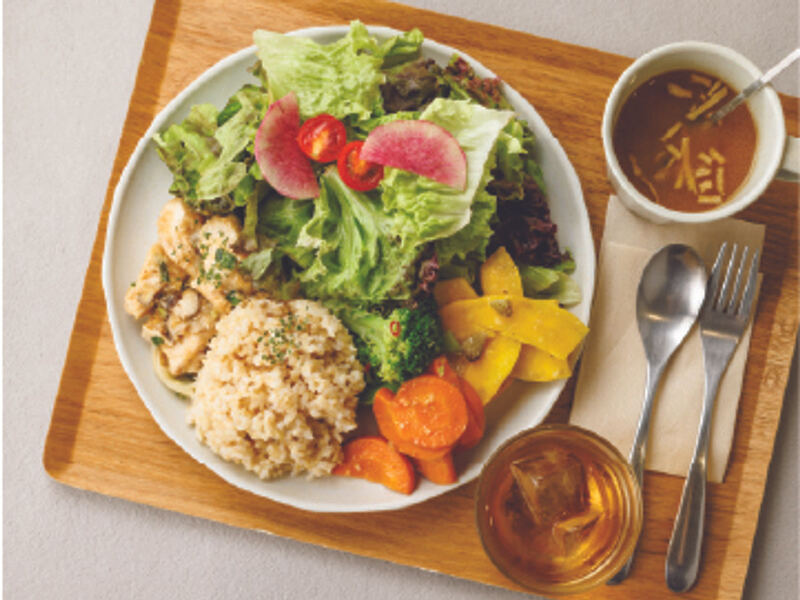
Our standards for choosing ingredients and preparing them are reviewed by AFRODE CLINIC, a preventive medicine clinic in Tokyo. The lunch plate follows the proportions of Harvard’s Healthy Eating Plate.
Beyond wheat, we cook with vegetables grown without pesticides or with reduced pesticides, meat raised without antibiotics, and no refined cane sugar. As a rule, we do not use food additives.
Not Just for Celiac Guests
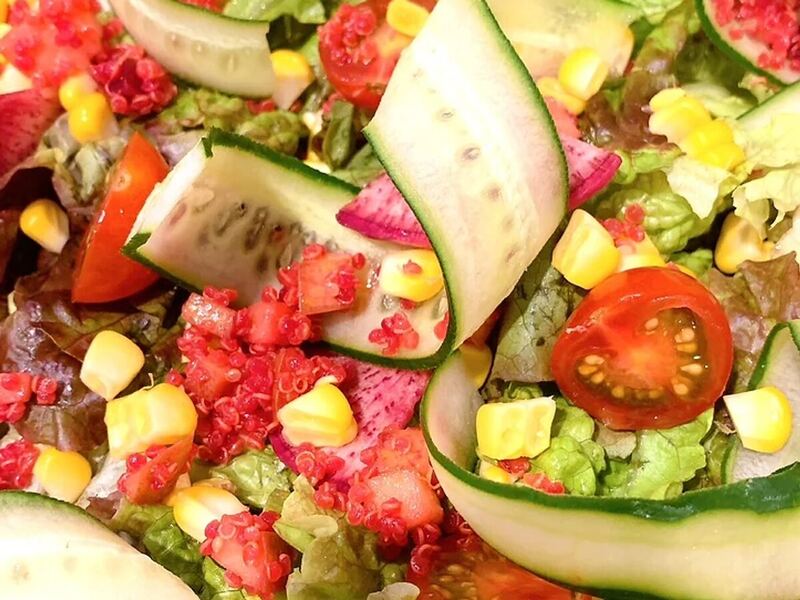
I run and cycle in my free time, and a few years ago I started eating gluten-free myself.
Our guests include athletes — among them staff of Japan’s national lacrosse team — alongside guests managing food allergies and visitors simply looking for a thoughtful meal in central Tokyo.
Choosing Sweets with Celiac Disease
MSD Manuals and Coeliac UK, the UK charity for people with coeliac disease, describe celiac disease as an autoimmune condition in which eating gluten causes a reaction that can affect the small intestine, and as different from a food allergy. A gluten-free diet generally avoids wheat, barley and rye, and ingredients made from them.
| What to look for | What it tells you, and what it doesn’t | |
|---|---|---|
| Ingredients and allergen labeling | Wheat (wheat flour, whole wheat), barley, rye, malt | In Japan, only wheat must be labeled as an allergen. Look for barley, rye and malt in the ingredient list |
| Oats | Whether they are labeled gluten-free | Oats can pick up wheat while being grown, transported or processed. The label says nothing about avenin, the protein in oats |
| A “gluten-free” claim | Which country’s standard it follows | Japan has no official standard. Imported products follow their own country’s rules (the US FDA uses under 20 ppm) |
| Precautionary notes | “Made in a factory that also handles…” | Whether the same factory makes products containing wheat, but not whether this product actually contains any |
A general guide. For any product, the label on its own package is what counts.
On oats, Coeliac UK explains that most people with coeliac disease can eat gluten-free oats, but a small number react to avenin, the protein in oats. Whether you personally can eat them is not something this article can decide. For reading the ingredient list, see How to Read Japanese Food Labels for Wheat and Gluten; for oats, Is Oatmeal Gluten-Free?; and for packaged snacks, Gluten-Free Snacks in Japan.
What You Can Check About Our Baked Goods
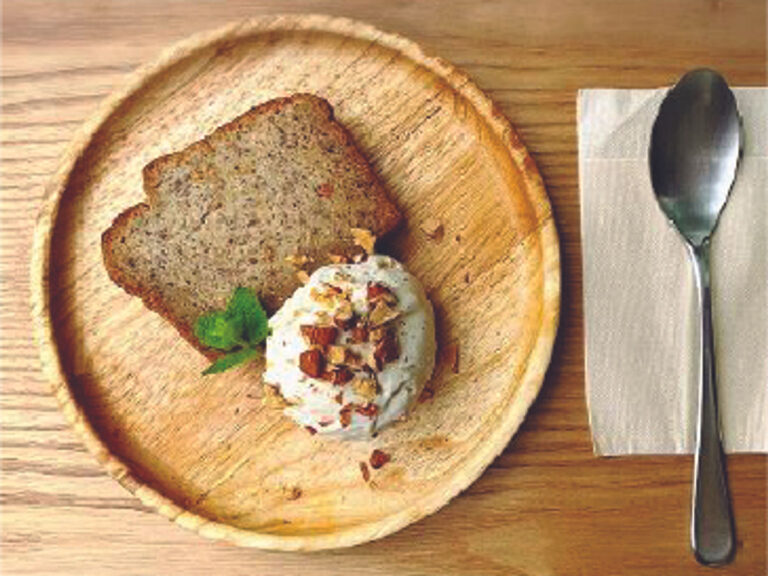
All of L for You’s baked goods, including cookies, donuts and pound cakes, are vegan. Here is how they line up against the table above.
| L for You’s baked goods | |
|---|---|
| Wheat | No wheat flour. Most of our doughs are made with carefully selected rice flour |
| Barley, rye, malt | Not listed in the ingredients |
| Oats | Used only in the oatmeal cookies: whole oats that meet the European and US gluten-free threshold of under 20 ppm. These cookies contain no rice flour |
| Eggs and dairy | Not used. Every baked good is vegan |
| Nuts | Some items contain nuts such as walnuts and almonds |
Based on our ingredients as of October 26, 2026. For each item, its own product page is what counts.
We don’t use wheat flour, and no wheat is handled in our kitchen. However, we cannot rule out trace contamination that comes from the raw materials themselves, for example when an ingredient is grown or processed near wheat, eggs or dairy.
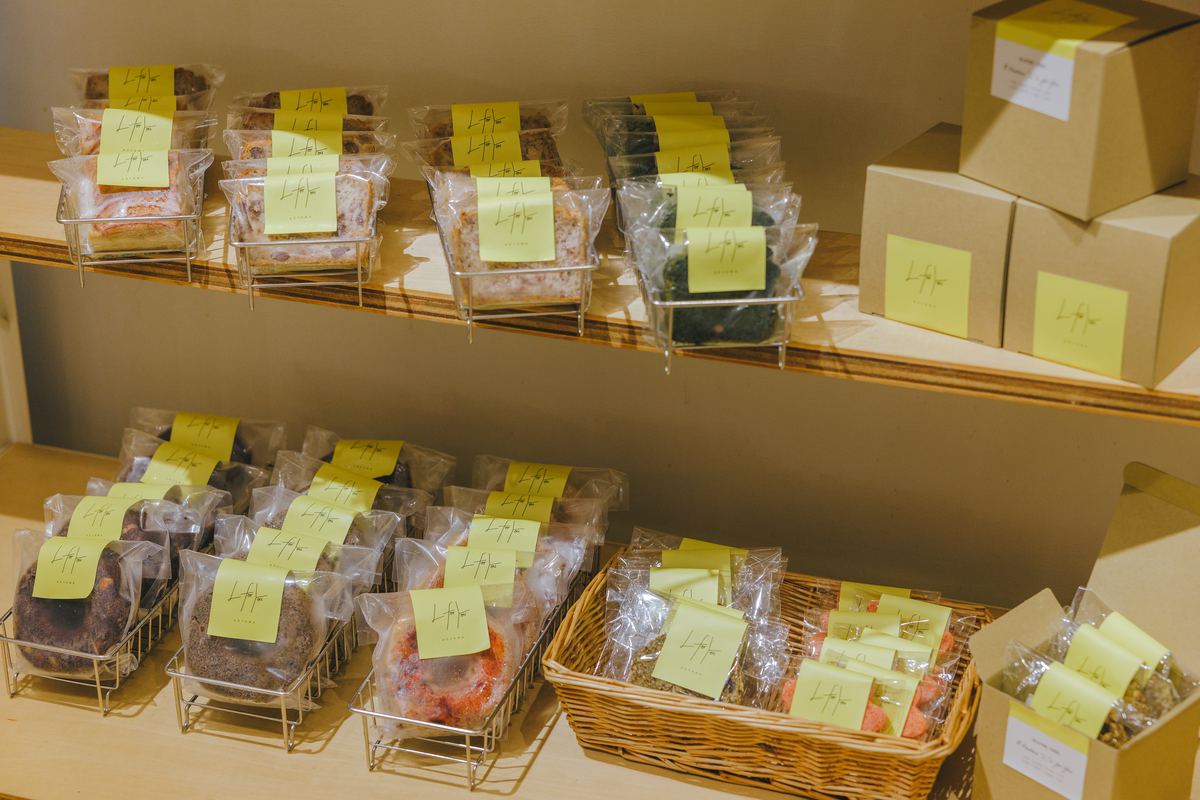
You can check each item’s ingredient list on our online store (opens in a new tab). Ships within Japan only (frozen delivery for some items). The same baked goods are sold at our Minami-Aoyama shop.
Frequently Asked Questions
Visit Us
L for You AOYAMA
Ikegami Building 1F, 3-9-3 Minami-Aoyama, Minato-ku, Tokyo
6-minute walk from Omotesando Station, Exit A4
Phone: +81-3-6459-2504
Hours: Mon–Thu 11:00–20:00 / Fri 11:00–21:00 / Sat 9:30–21:00 / Sun 9:30–18:00
See access, opening hours and reservations, our menu, or contact us about allergies before you visit.