
Finding a plant-forward restaurant in Tokyo can take more effort than you might expect. Some places offer only one or two vegan items, and the words “healthy” or “vegan” do not always tell you much about what is on the plate.
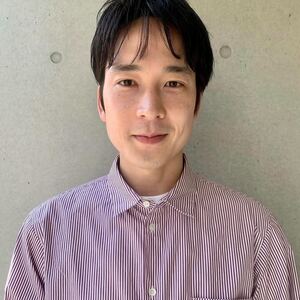
I grew up in Toyama, where my mother has run a small natural food cafe for over 30 years. When I moved to Tokyo and started paying closer attention to what I ate, that standard stayed with me. At L for You in Minami-Aoyama, I find that same care in the cooking.
Why “Vegan” Does Not Always Mean What You Think

Plant-based eating has grown in Japan, and in Tokyo especially. Plant-based alone doesn’t tell you much, though — what matters is what goes into each dish and how it is made.
At L for You, as a rule, we do not use food additives, and we let the ingredients speak for themselves. We use vegetables grown without pesticides or with reduced pesticides.
Fermented Foods at the Center of the Menu

Our brand concept is called “bicho-katsu” (美腸活). On the menu, that means fermented foods such as miso and amazake, alongside ingredients rich in dietary fiber.
Our choice of ingredients and the way we prepare them are designed under the supervision of AFRODE CLINIC, a preventive medicine clinic in Tokyo, with balance and everyday eating in mind.
Plant-Based Does Not Mean Light

A common worry about vegan food is that it won’t fill you up. The menu includes dishes like vegan taco rice, a daily lunch plate and a multigrain salad bowl — meals made to be satisfying.
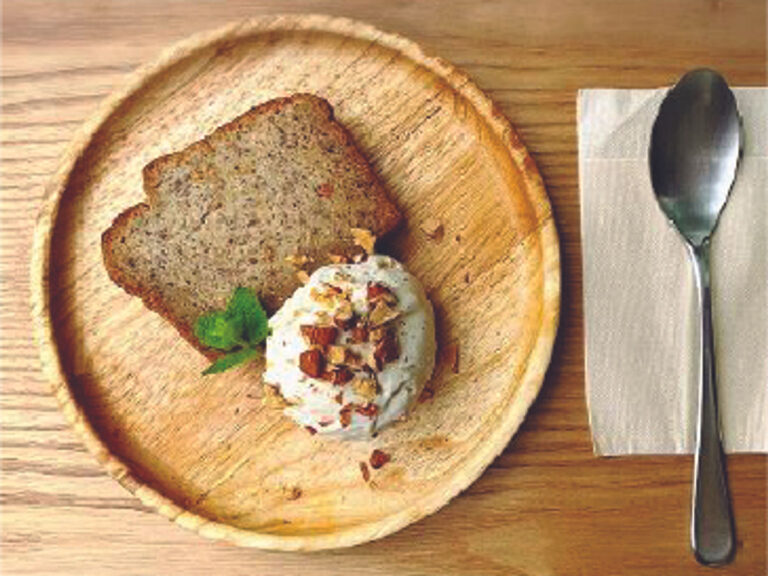
All our baked goods are vegan — no eggs, no dairy — and made without wheat flour. Whether you are vegan, vegetarian or simply curious, you can go from lunch to dessert without changing tables.
Rooted in Japanese Food Culture

Miso, amazake, shio-koji, dashi, seaweed, multigrain rice and matcha are woven into the menu. Vegetables take center stage, combined with fermented foods to make dishes that are simple yet satisfying.
Many cafe dishes are vegan, while some include fish, chicken or pork. On packaged sweets, too, “vegan” can mean different things — see Vegan Sweets in Tokyo.
A Table Where Everyone Can Eat

We take vegan, vegetarian, gluten-free and allergy-aware requests, and halal-friendly meals can be prepared on request (we are not halal-certified), so people with different diets can share the same table. Guests have told us they were:
- Parents looking for a cafe they could bring a child with food allergies to.
- Someone whose partner is vegetarian, looking for a place they could both enjoy.
- A host bringing international guests with different dietary practices.
We don’t use wheat flour, and no wheat is handled in our kitchen. However, we cannot rule out trace contamination that comes from the raw materials themselves — for example, when an ingredient is grown or processed near wheat. Some items contain nuts such as walnuts and almonds.
Small, Sustainable Choices Add Up
Eating is an everyday thing, so a balance you can keep up matters. Whether you are vegan, plant-based or neither, we hope you find a meal here that fits.
If you are in the Omotesando area, see our access, opening hours and reservations or view the menu.