
In Japan, oseibo (お歳暮) is a gift sent at the end of the year to people who have helped you during the year. If you are giving one to someone who is careful about what they eat, choosing by what is not used, rather than by the word “healthy,” may make it easier for them to check what is inside.
All of L for You’s baked goods are vegan, made without wheat flour, eggs, dairy or refined cane sugar (white sugar). Here is how to choose, along with the usual timing, noshi and budget for oseibo.
Featured Baked Goods
Cookies
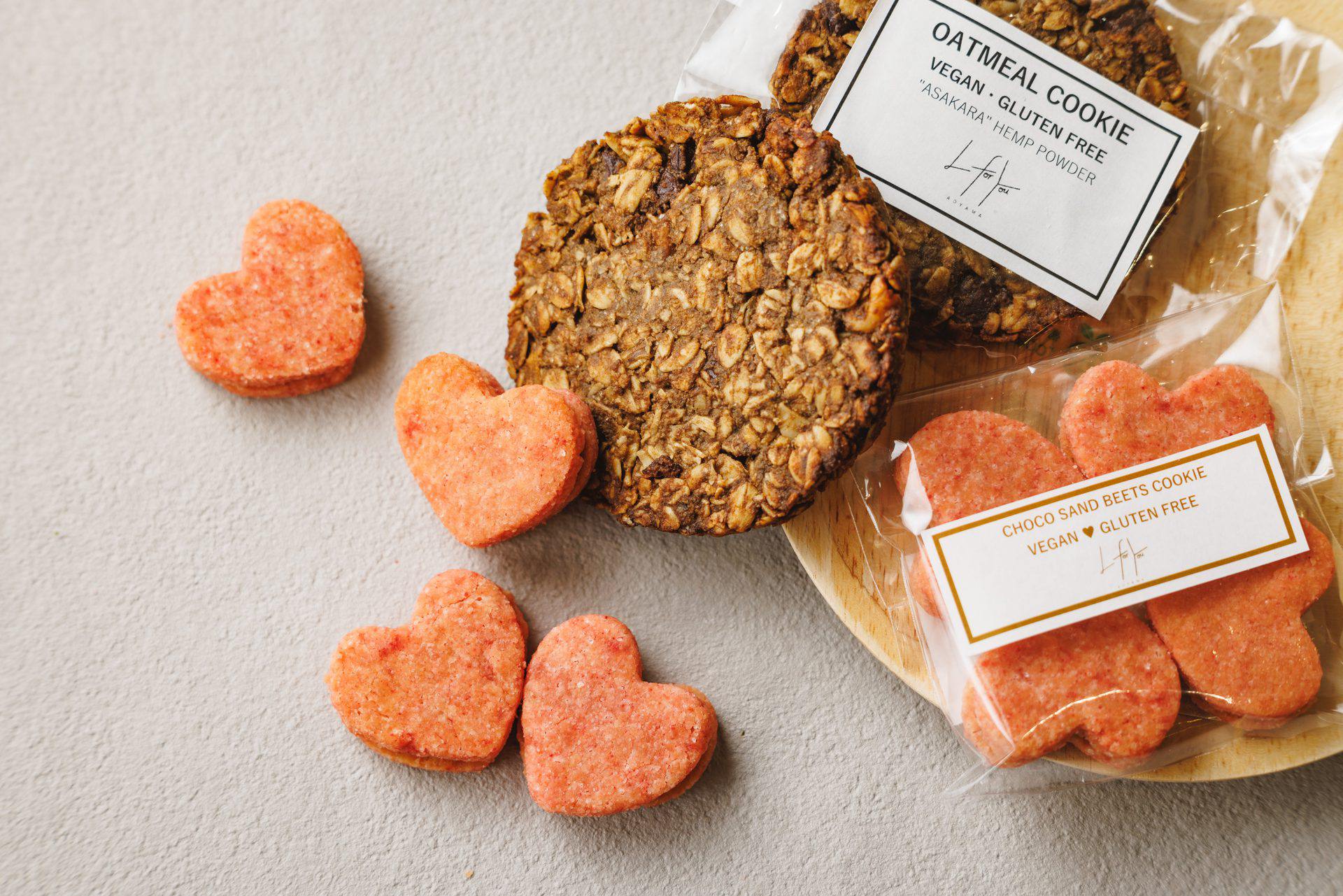
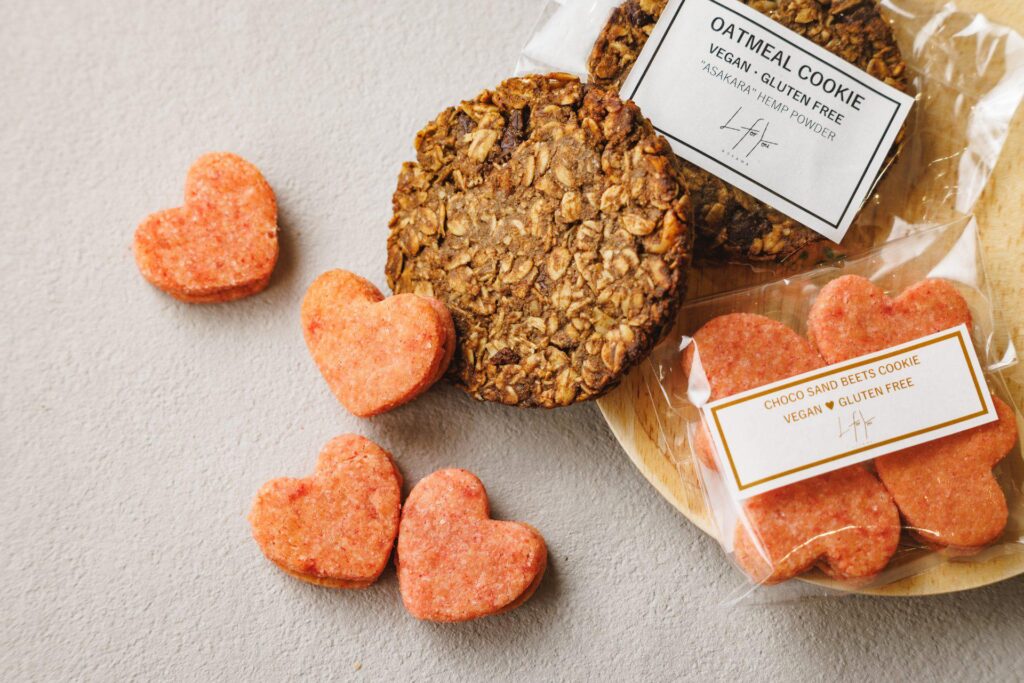
Cookies made without wheat flour, eggs or dairy. They keep at room temperature, so they are easy to receive even in the busy weeks at the end of the year.
Pound Cakes
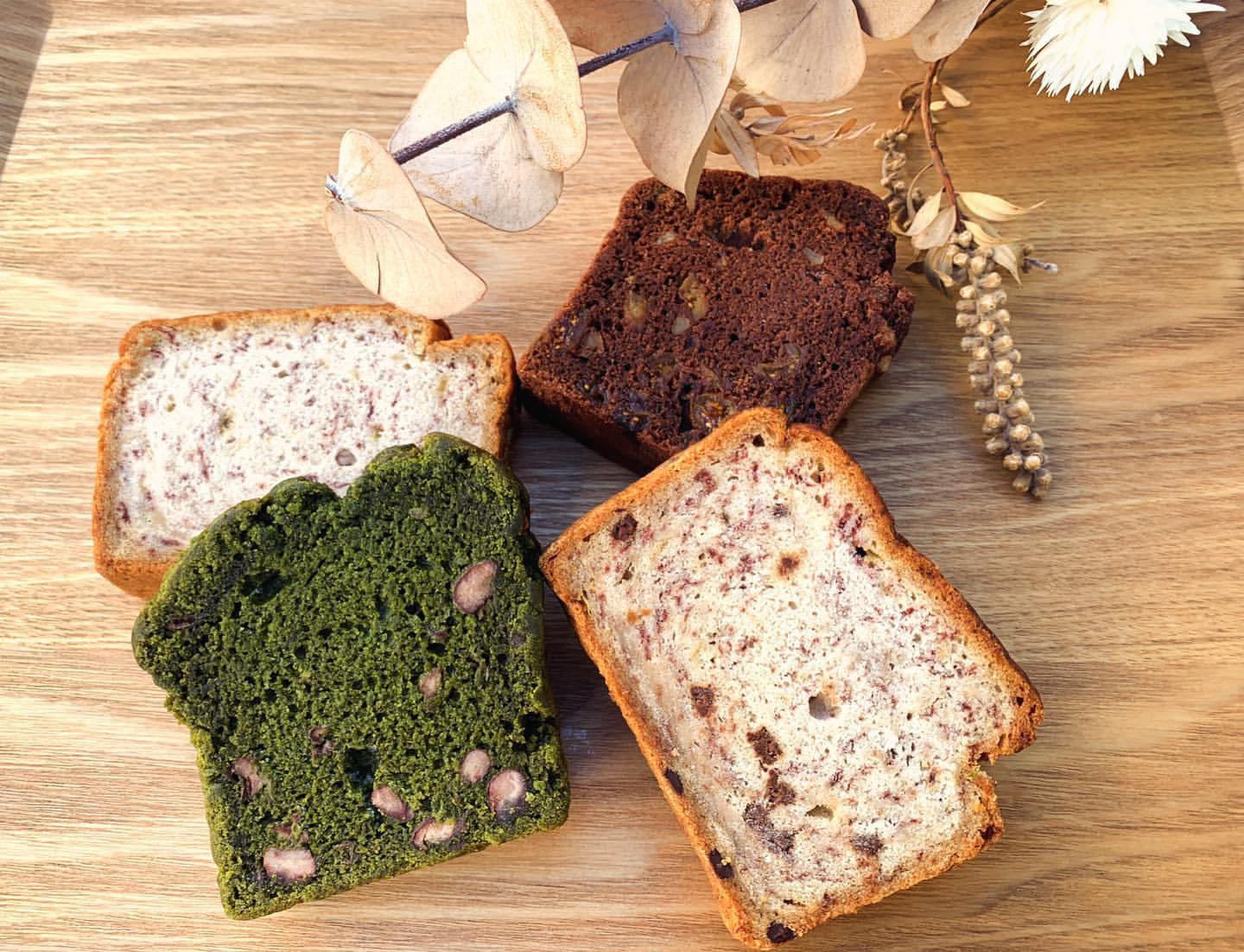
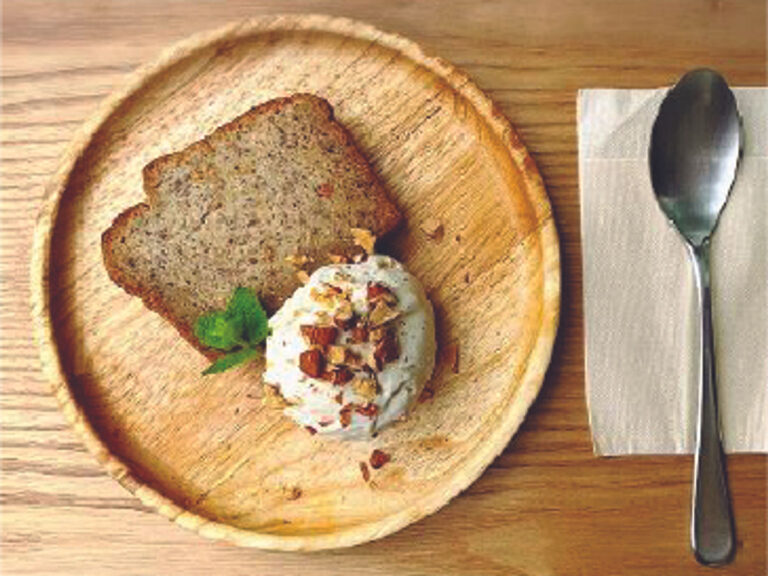
Rice flour pound cakes, each individually wrapped. The banana, chocolate-chip banana, and dried fig & walnut cocoa flavors contain rum (as of October 2026).
Donuts
Donuts baked with rice flour. Every flavor contains almond flour (as of October 2026).
Oseibo Timing, Noshi and Budget
Oseibo is a way of saying thank you, at the end of the year, to people who have helped you. As a guide, it is sent from early December to around December 20 in the Kanto region (around Tokyo), and from around December 13 in the Kansai region (around Osaka and Kyoto). It varies by region and family, so the table below gives a rough guide.
| When | Written on the noshi | |
|---|---|---|
| Kanto 関東 | Early December to around December 20 | 御歳暮 (oseibo) |
| Kansai 関西 | Around December 13 to late December | 御歳暮 (oseibo) |
| If you miss the year-end 松の内まで | Until the end of matsu-no-uchi, the New Year period (often January 7 in Kanto, January 15 in Kansai) | 御年賀 (gonenga, a New Year gift) |
| After matsu-no-uchi 立春の前まで | Until risshun, the traditional start of spring (around February 4) | 寒中御見舞 (kanchu omimai, a midwinter greeting) |
A general guide. It varies by region and family.
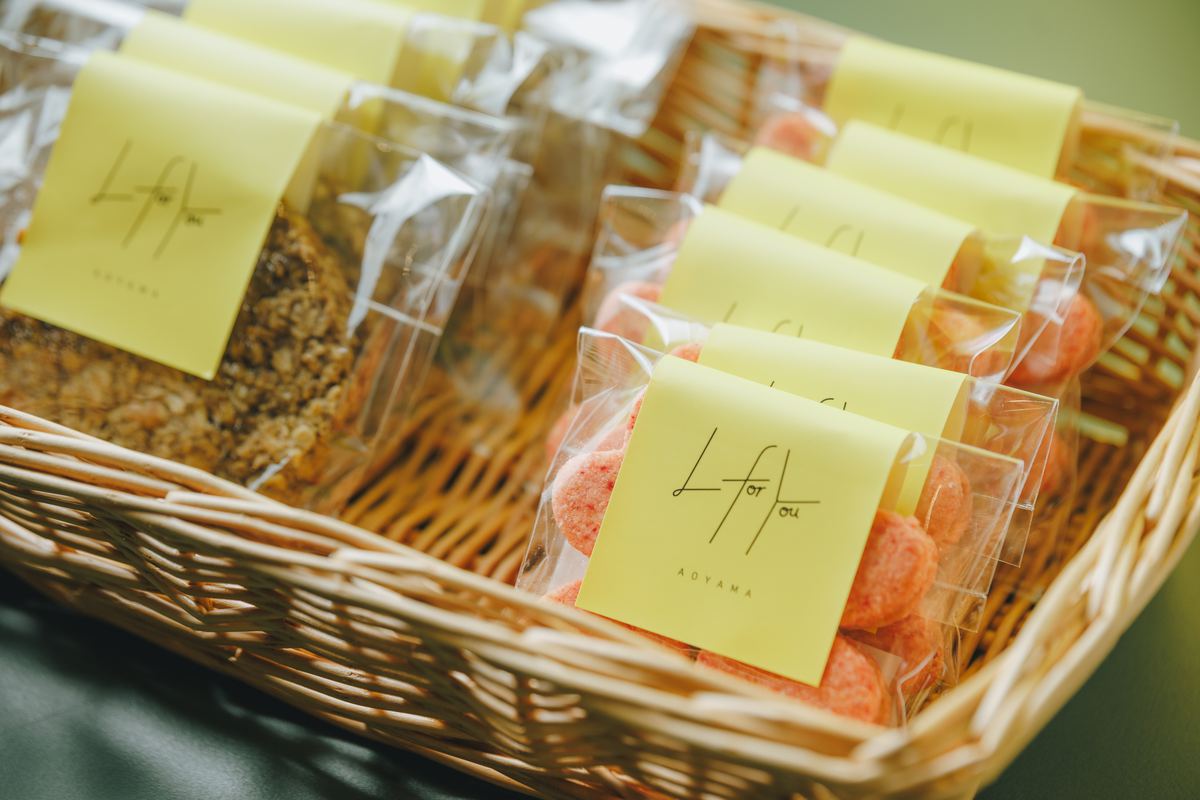
The noshi (のし), the paper wrapped around the gift, usually has a red-and-white mizuhiki cord tied in a bow, with 御歳暮 written above and the giver’s name below. People usually spend around ¥3,000–5,000, and around ¥5,000–10,000 for someone who has helped them especially. If you are looking for a return gift for a celebration present, see Uchiiwai Sweets.
Choose “Health-Conscious” Oseibo by What Isn’t Used
What “health-conscious” or “healthy” means differs from person to person. When giving to someone careful about what they eat, it helps to put it in terms of what is not used, so that it can be checked on the ingredient list.
- Wheat flour: no 小麦粉 (wheat flour) or 小麦 (wheat) in the ingredients
- Eggs and dairy: no 卵 (egg), バター (butter), 乳 (milk) and so on
- White sugar: look for 砂糖 (sugar), 上白糖 (white sugar) or グラニュー糖 (granulated sugar)
- Nuts: no アーモンド (almond), くるみ (walnut) and so on
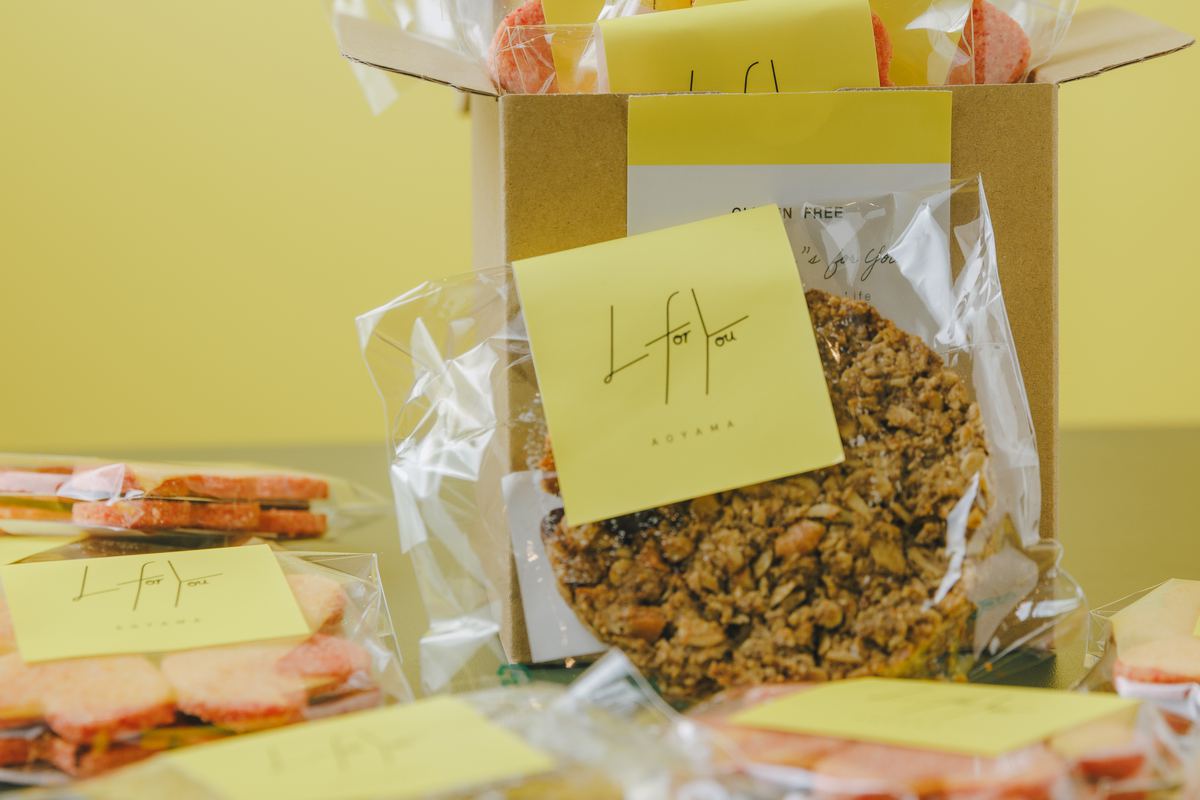
On the ingredient list, ingredients usually come first, from the largest amount down, then a slash (/), then food additives. For more, see Gluten-Free Souvenirs in Tokyo.
For Sweets Arriving at Year-End, Check How They Keep
Oseibo arrives in the busy weeks at the end of the year, so it may not be opened right away. Sweets that keep at room temperature can be opened whenever suits the recipient. For frozen sweets, it is thoughtful to consider whether they will fit in the recipient’s freezer and which day is easy for them to receive them.
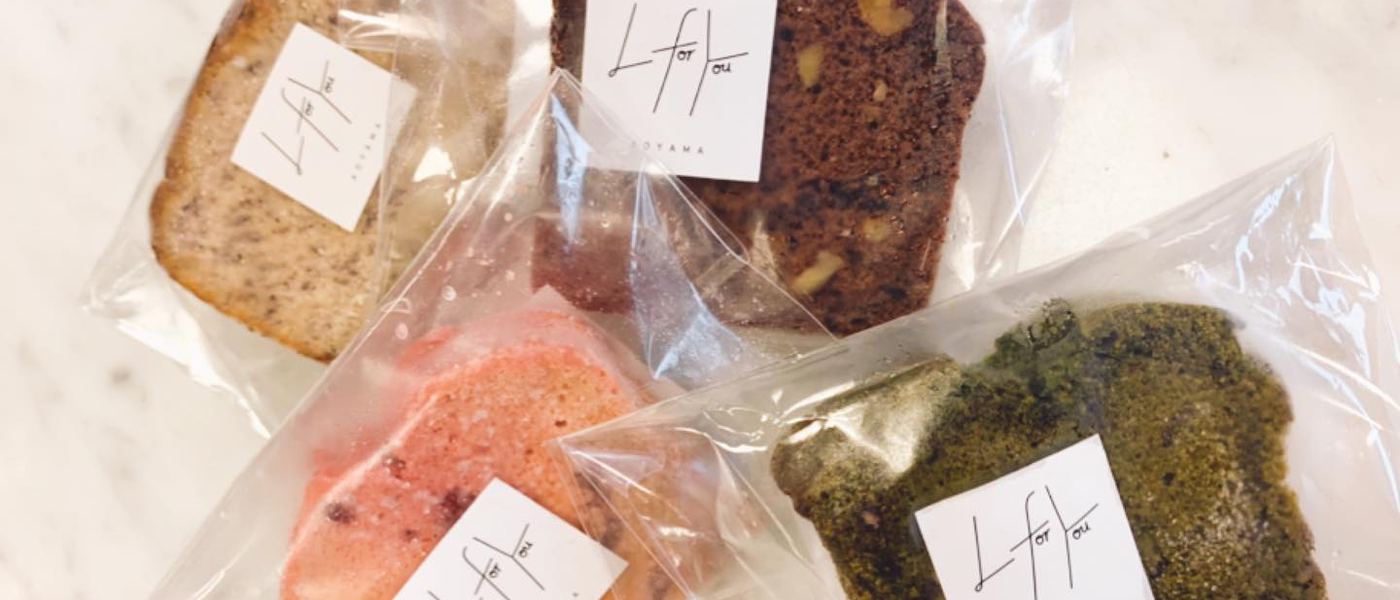
For a household whose size you don’t know, individually wrapped sweets may be easier to share.
Giving L for You Baked Goods as Oseibo
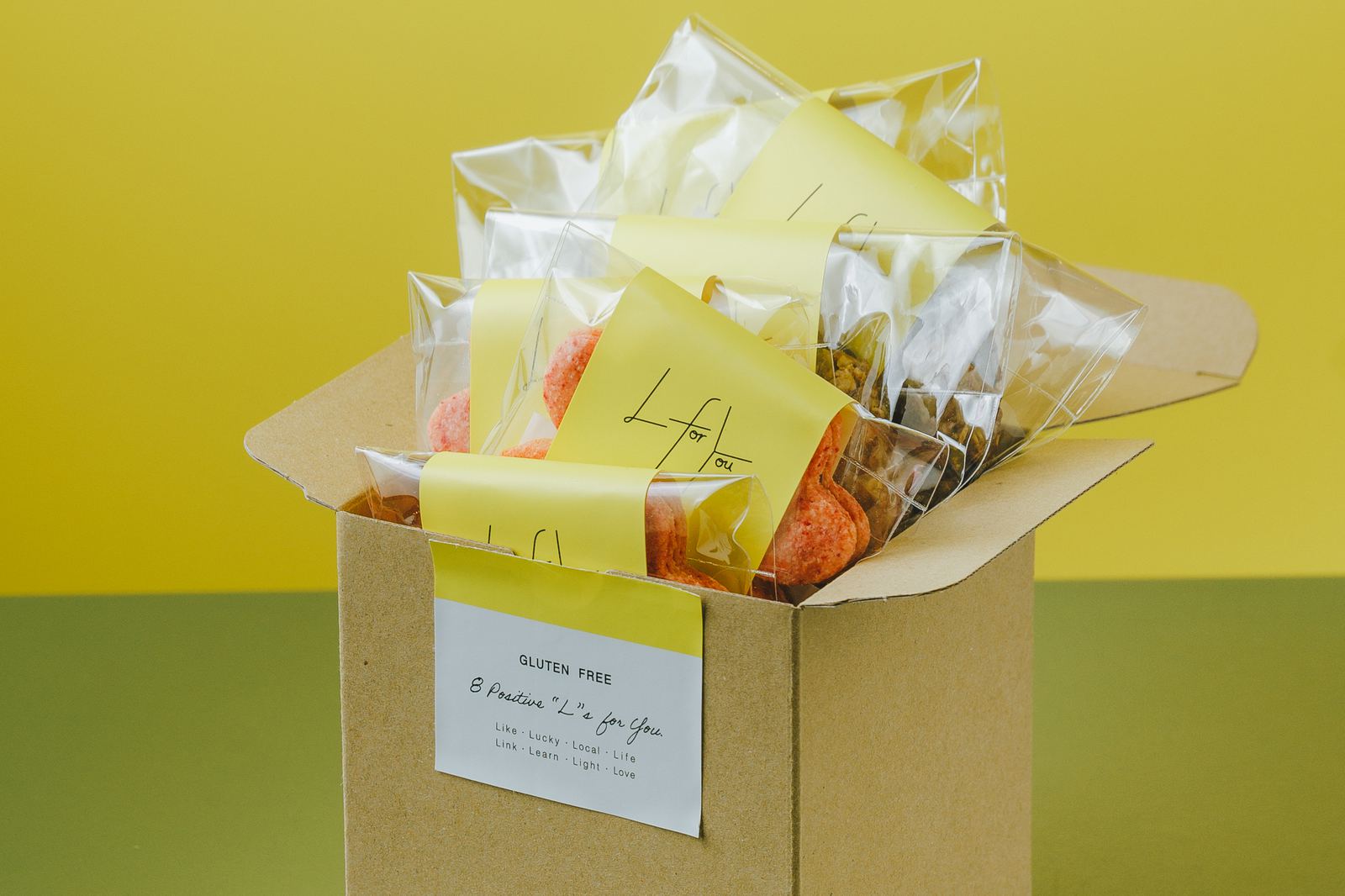
All of L for You’s baked goods are vegan, made without wheat flour, eggs, dairy or refined cane sugar (white sugar). We sweeten them with beet sugar, among others. At our shop in Minami-Aoyama, cookies, donuts and pound cakes are sold at room temperature. Our online store (opens in a new tab) also has a “Gift Box”: a box and seal set you pack yourself. Ships within Japan only.
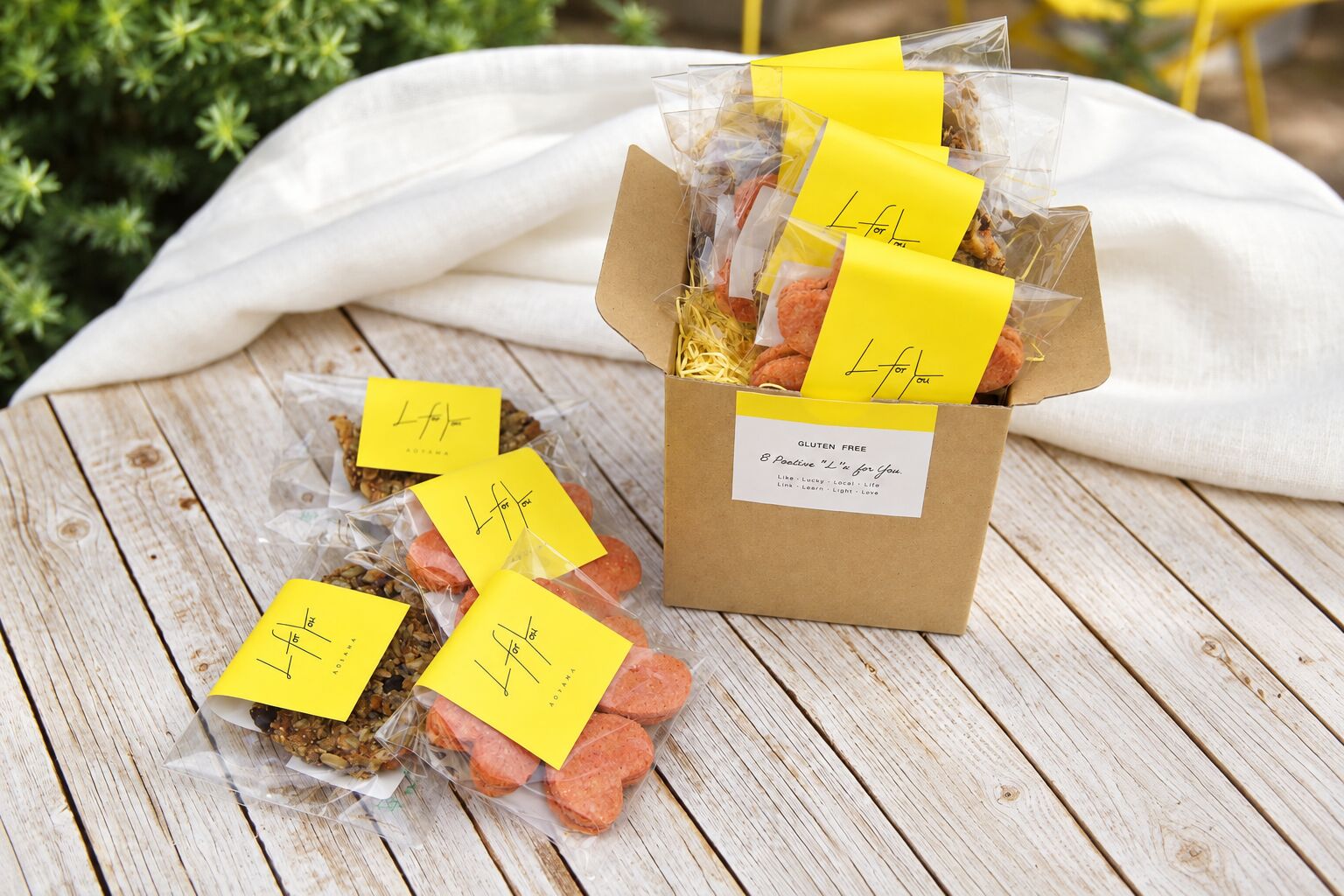
Just ask at the register and we will gift-wrap your purchase, also in a cloth drawstring bag. The flavors on the shelf change from day to day.
We don’t use wheat flour, and no wheat is handled in our kitchen. However, we cannot rule out trace contamination that comes from the raw materials themselves — for example, when an ingredient is grown or processed near wheat. The same applies to eggs and dairy: we don’t use them, but we cannot rule out traces that come from the raw materials themselves. Some items contain nuts such as walnuts and almonds.
Frequently Asked Questions
Visit Us
| L for You AOYAMA | |
|---|---|
| Address | 1F Ikegami Bldg, 3-9-3 Minami-Aoyama, Minato-ku, Tokyo |
| Access | 6-minute walk from Omotesando Station, Exit A4 |
| Hours | Mon–Thu 11:00–20:00 / Fri 11:00–21:00 / Sat 9:30–21:00 / Sun 9:30–18:00 |
| Phone | +81-3-6459-2504 |
See how to find us, or browse the menu if you’d like to stay for a meal.