
Beet sugar (てんさい糖, tensai-tō) often turns up on the ingredient lists of sweets in Japan. Have you ever wondered how it differs from white sugar? This guide covers what beet sugar is, what it is made from and how, and how it differs from 上白糖 (jōhakutō) and granulated sugar.
In short: beet sugar is sugar made from the roots of sugar beets (てん菜, tensai; also called “beet” or “sugar radish” in Japanese). Sugar beets are related to spinach, and in Japan they are grown in Hokkaido. The main differences from white sugars such as 上白糖 and granulated sugar are the raw material and the name. Beet sugar is still sugar.
- Beet sugar is sugar made from the roots of sugar beets.
- Sugar beets are related to spinach, and in Japan they are grown in Hokkaido.
- 上白糖 (jōhakutō) and granulated sugar are names for finished types of sugar. They can be made from sugarcane or from sugar beets.
- Beet sugar is still sugar. Sweets sweetened with beet sugar do not qualify for Japan’s 砂糖不使用 (“no sugar used”) label.
Beet Sugar Is Sugar Made from Sugar Beets
Beet sugar is made from the root of a plant called the sugar beet. In Japanese it is also called ビート (beet) or 砂糖大根 (satō daikon, “sugar radish”), but it belongs to the amaranth family and is related to spinach. It prefers a cold climate, so in Japan it is grown in Hokkaido.
| Sugar beet | Sugarcane | |
|---|---|---|
| Other names | てん菜 (tensai), ビート (beet), 砂糖大根 (satō daikon, “sugar radish”) | さとうきび (satōkibi), 甘蔗 (kansho) |
| Part used for sugar | The turnip-shaped root | The stalk |
| Main growing areas in Japan | Hokkaido | The Nansei Islands of Kagoshima Prefecture, and Okinawa |
| Name of the sugar made from it | てん菜糖 (tensai-tō, beet sugar) | 甘しゃ糖 (kansha-tō, cane sugar) |
Based on the Agriculture & Livestock Industries Corporation (ALIC), “Raw materials of sugar: sugar beet” (Japanese).
It is also written てん菜糖. About 80% of the sugar made in Japan comes from sugar beets; the rest is made from sugarcane in Kagoshima and Okinawa.
How Beet Sugar Is Made
Sugar beets are harvested in autumn and taken straight to sugar mills in Hokkaido. The roots are cut into thin strips and soaked in hot water to draw out the sugar, and that sugar solution is boiled down into crystals.
| What happens | Notes | |
|---|---|---|
| Planting and harvest | Planted in spring (around the early-May holidays) and harvested in October–November | Sent to the sugar mill right after harvest |
| Slicing | The washed roots are cut into thin strips, like shredded daikon radish | The strips are called cossettes (コセット) |
| Drawing out the sugar | The strips are soaked in hot water to dissolve the sugar out | — |
| Boiling down and crystallizing | The sugar solution is boiled down and the sugar crystals are separated | About 160 g of sugar is made from 1 kg of sugar beets |
A general outline based on ALIC’s explanation. Details and finishing methods differ by mill and product, and the amount of sugar produced changes from year to year.
Sugarcane is first made into raw sugar (原料糖) at mills in the growing areas, then made into white sugar at mills near where it will be used. Most sugar beets are made all the way into white sugar at mills in Hokkaido.
How It Differs from White Sugar (上白糖 and Granulated Sugar): Source and Name
In Japan, 白砂糖 (shiro-zatō, “white sugar”) is an everyday word for white sugars such as 上白糖 (jōhakutō, soft white sugar) and granulated sugar. 上白糖 and granulated sugar are names for finished types of sugar, and they can be made from sugarcane or from sugar beets.
| Beet sugar | 上白糖 / granulated sugar | |
|---|---|---|
| How it is named | By its raw material (sugar beet) | By its finished type |
| Raw material | Sugar beet | Sugarcane or sugar beet |
| Color | Often light brown as sold in shops | White |
| Common uses | Cooking and baking | 上白糖 is all-purpose (about half of the sugar used in Japan). Granulated sugar has a clean sweetness and is also used in coffee and tea |
General differences based on the Ministry of Agriculture, Forestry and Fisheries’ “Types of sugar” and ALIC. Color and flavor vary by product.
“Beet sugar” names a sugar by its raw material. Because the two kinds of name are based on different things, there is also granulated sugar made from sugar beets. Beet sugar is still sugar. For the differences between sweetness labels, see Sweets Without Refined Sugar: What Japanese “No Sugar” Labels Mean.
The Color and Flavor of Beet Sugar
White sugar is made by removing color and other non-sugar components from the sugar solution and taking out only the crystals. Brown sugars get their color from the heat used to boil down the solution, or from methods that leave some molasses in.
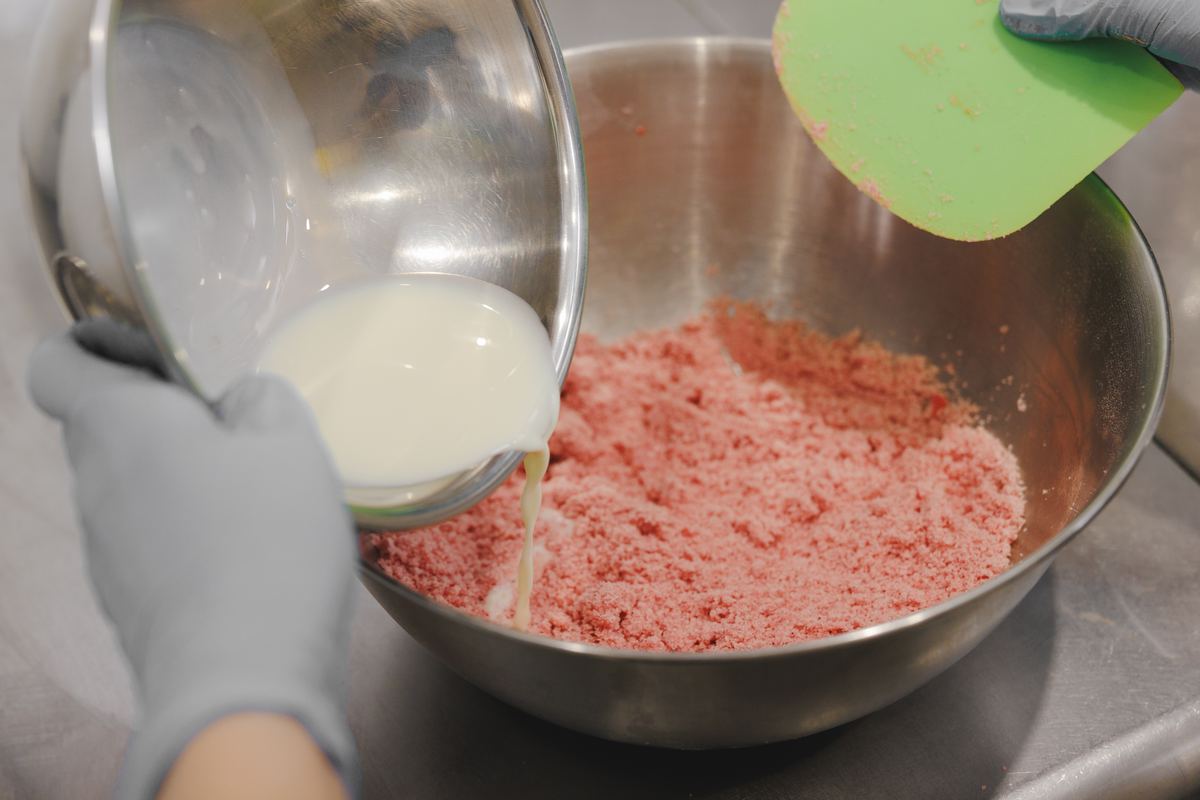
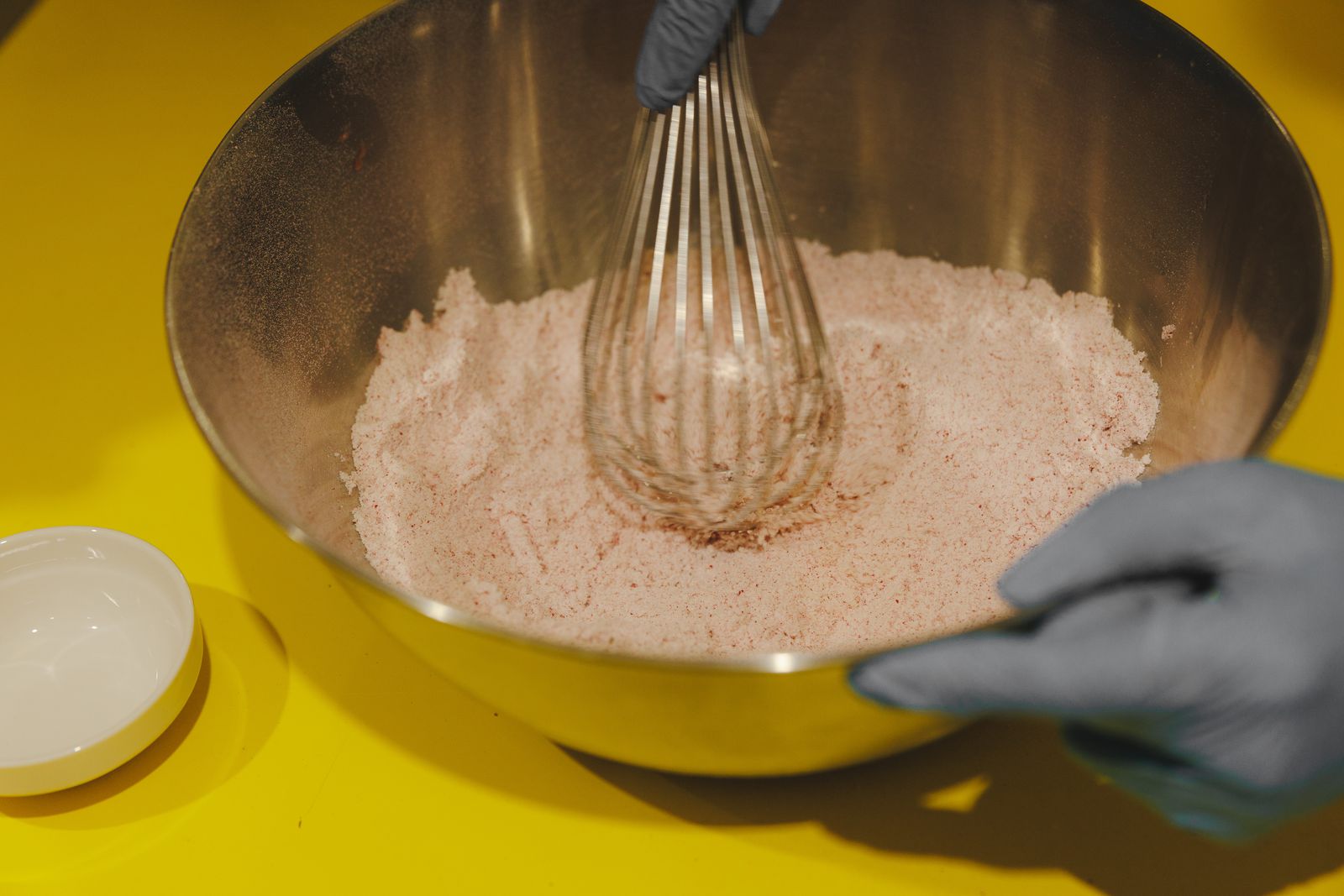
Much of what is sold as てんさい糖 in Japanese shops is light brown. Using it in place of white sugar can slightly change the color and aroma of what you make. How much color and flavor is kept differs by product, so check the name and description on the bag. For an example of baking with it at home, see Rice Flour Brownies.
Beet Sugar in L for You Baked Goods
All L for You baked goods are vegan and made without wheat flour or white sugar (refined cane sugar). For sweetness we use beet sugar and a few other ingredients. On our ingredient labels it appears as 有機てんさい粉 (organic beet sugar).
| Position in the ingredient list | Other sweet ingredients | |
|---|---|---|
| Chocolate sandwich and beet cookies | 5th | Organic agave chocolate, organic agave syrup |
| Oatmeal cookie | 4th | Organic agave chocolate |
| Gluten-free donuts | 3rd (4th in the strawberry flavor) | Depending on the flavor, organic strawberry, dried fruit or organic agave chocolate |
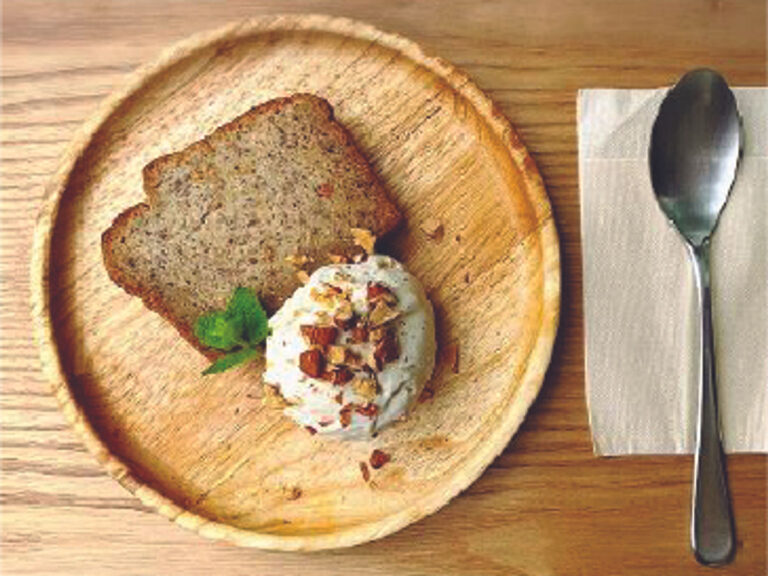
| Rice-flour pound cakes | 3rd | Depending on the flavor, banana, dried fig or chocolate chips |
Based on our ingredient labels as of October 23, 2026. Ingredients are listed from the largest amount used. Labels can change, so ask our staff for the current one.
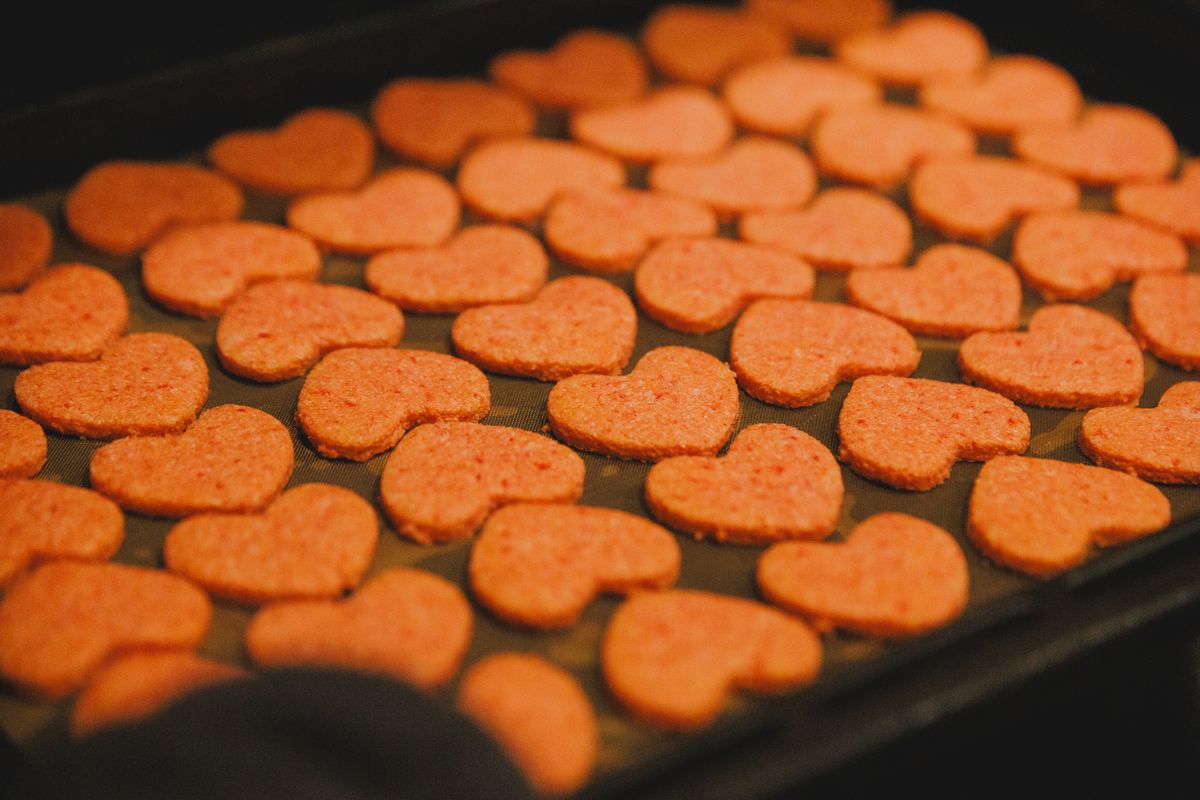
You can buy our cookies, donuts and pound cakes at our shop in Minami-Aoyama any day, and our staff can tell you the ingredients of each one.
We don’t use wheat flour, and no wheat is handled in our kitchen. However, we cannot rule out trace contamination that comes from the raw materials themselves — for example, when an ingredient is grown or processed near wheat. Some items contain nuts such as walnuts and almonds.
Frequently Asked Questions
Visit Us in Minami-Aoyama
L for You AOYAMA is a 6-minute walk from Omotesando Station. Our cookies, donuts and pound cakes are on the shelf every day; the flavors change from day to day.
| L for You AOYAMA | |
|---|---|
| Address | 1F Ikegami Bldg, 3-9-3 Minami-Aoyama, Minato-ku, Tokyo |
| Access | 6-minute walk from Omotesando Station, Exit A4 |
| Hours | Mon–Thu 11:00–20:00 / Fri 11:00–21:00 / Sat 9:30–21:00 / Sun 9:30–18:00 |
| Phone | +81-3-6459-2504 |
See access and opening hours and our menu before you visit.