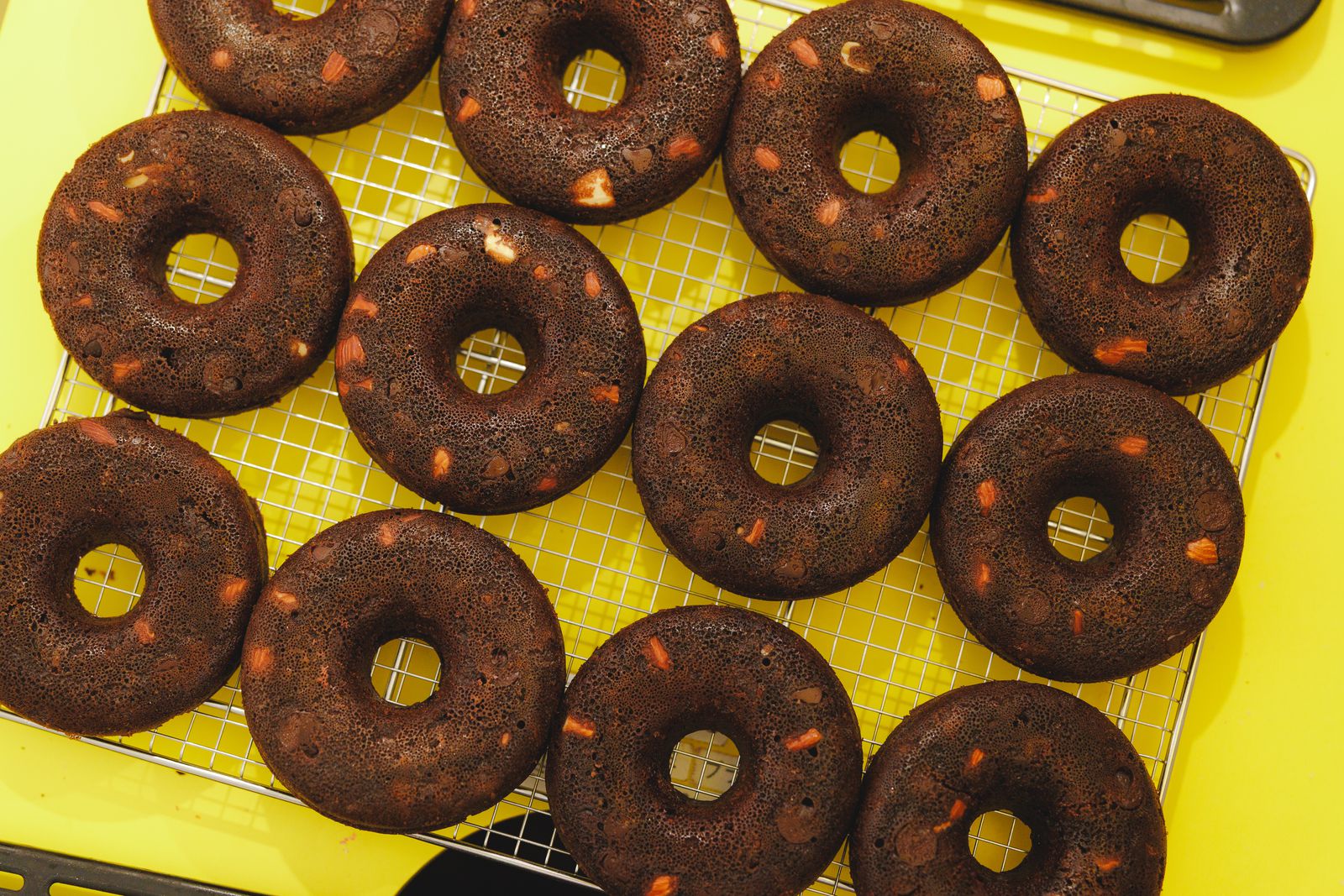

In Japanese shops and cafes, you often see sweets labeled ギルトフリー (“guilt-free”). Have you ever wondered what exactly is “free”? This guide covers what the word means, whether there is a labeling standard behind it, and how to check what is in the package.
In short: “guilt-free” is a marketing word meaning you can eat something without feeling guilty, and there is no labeling standard for it. It may refer to lower-calorie, lower-carb, gluten-free or vegan sweets, depending on the product, so check the ingredient list and the nutrition label to see what is inside.
- “Guilt-free” is an English phrase meaning “without guilt,” borrowed into Japanese as ギルトフリー.
- It can refer to sweets that are lower in calories or carbohydrates, made without sugar, gluten-free or vegan. What it means differs from product to product.
- Unlike 低カロリー (low calorie) or 糖類ゼロ (zero sugars), ギルトフリー has no labeling standard in Japan.
- When choosing, check the ingredient list and the nutrition label.
Guilt-Free Sweets: A Word for Eating Without Guilt
Guilt-free means “without guilt.” For sweets in Japan, the word is used for products with fewer calories or carbohydrates, and for products made without wheat or animal-derived ingredients.
| What is held back | What may still be used | |
|---|---|---|
| Lower-calorie sweets | Energy (calories) | Wheat flour, egg, dairy, sweeteners |
| Lower-carb or lower-sugar sweets | Carbohydrates or sugars | Sweeteners, fats and oils |
| Sweets made without sugar or white sugar | Sugar, or white sugar | Other sugars, syrups, fruit (when only white sugar is avoided) |
| Gluten-free sweets | Gluten from wheat, barley, rye and so on | Sugar, egg, dairy, fats and oils |
| Vegan sweets | Egg, dairy, honey and other animal-derived ingredients | Wheat flour, sugar, fats and oils |
Examples of how the word is generally used. What is held back differs from product to product, even under the same word.
Even under the same word, what is held back differs from product to product. Gluten-free sweets may contain sugar, and lower-calorie sweets may contain wheat flour.
There Is No Labeling Standard for “Guilt-Free”
In Japan, 低カロリー (low calorie), 糖類ゼロ (zero sugars) and 砂糖不使用 (no sugar used) may only be used when conditions in the Food Labeling Standards (食品表示基準) are met. These are Japan’s rules, not those of other countries. ギルトフリー has no such standard; each maker uses it in its own way.
| Rule behind it | Where to look on the package | |
|---|---|---|
| 低カロリー・カロリーゼロ low calorie / zero calorie | The Food Labeling Standards set limits for energy | Energy (熱量) on the nutrition label |
| 糖類ゼロ・低糖・砂糖不使用 zero sugars / low sugar / no sugar used | The Food Labeling Standards set limits or conditions for sugars | Sugars and carbohydrates on the nutrition label |
| ヴィーガン vegan | A voluntary JAS standard (2022) exists. Using the word on a label is not itself regulated | The ingredient list |
| グルテンフリー gluten-free | The US and Europe have standards. In Japan, there is a standard only for ノングルテン (non-gluten) rice flour | The ingredient list, and 小麦 (wheat) in the allergy information |
| ギルトフリー guilt-free | No set standard | What was held back, in the ingredient list and nutrition label |
A general summary of Japan’s rules, based on the Consumer Affairs Agency’s Food Labeling Standards and materials from the Ministry of Agriculture, Forestry and Fisheries.
For the details of sweetness labels, see Sweets Without Refined Sugar: What Japanese “No Sugar” Labels Mean. For what “vegan” means on a Japanese label, see Vegan Sweets in Tokyo, and for how gluten-free and vegan differ, Gluten-Free vs. Vegan.
Check the Label on Sweets Called “Guilt-Free”
The word ギルトフリー on a package doesn’t tell you what was held back. The ingredient list and the nutrition label on the back show you what is inside. For where to start, see Additive-Free (無添加) Snacks at Japanese Convenience Stores.
| What it tells you | Tips | |
|---|---|---|
| Words on the front of the package | What the maker wants to tell you | Look for specific words such as 〇〇不使用 (no … used) or 〇〇オフ (… off) |
| Ingredient list (原材料名) | What it is made from | Listed from the largest amount used. Check the flour, what sweetens it and the fat |
| Nutrition label (栄養成分表示) | Energy, carbohydrates and other amounts | Check the unit: per piece, per 100 g and so on |
| Allergy information | Whether wheat, egg, milk and so on are used | If there is something you avoid, read it together with the ingredient list |
If a doctor or registered dietitian has given you instructions about what you eat, follow them.
On the nutrition label, the unit — per piece, per 100 g and so on — differs from product to product. When comparing sweets, convert them to the same unit first. For how to read the calorie figures, see Are There Sweets That Won’t Make You Gain Weight?; for what to look at when choosing sweets as a gift, see Gluten-Free Souvenirs in Tokyo.
What L for You Baked Goods Are Made Without
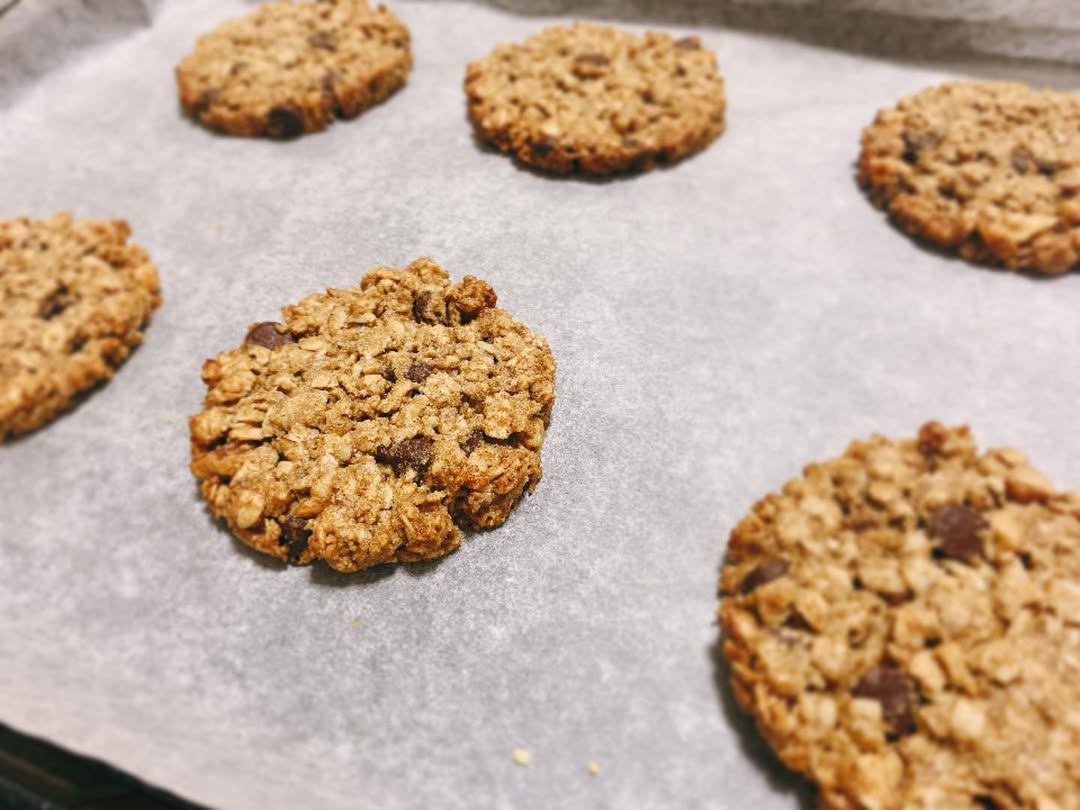
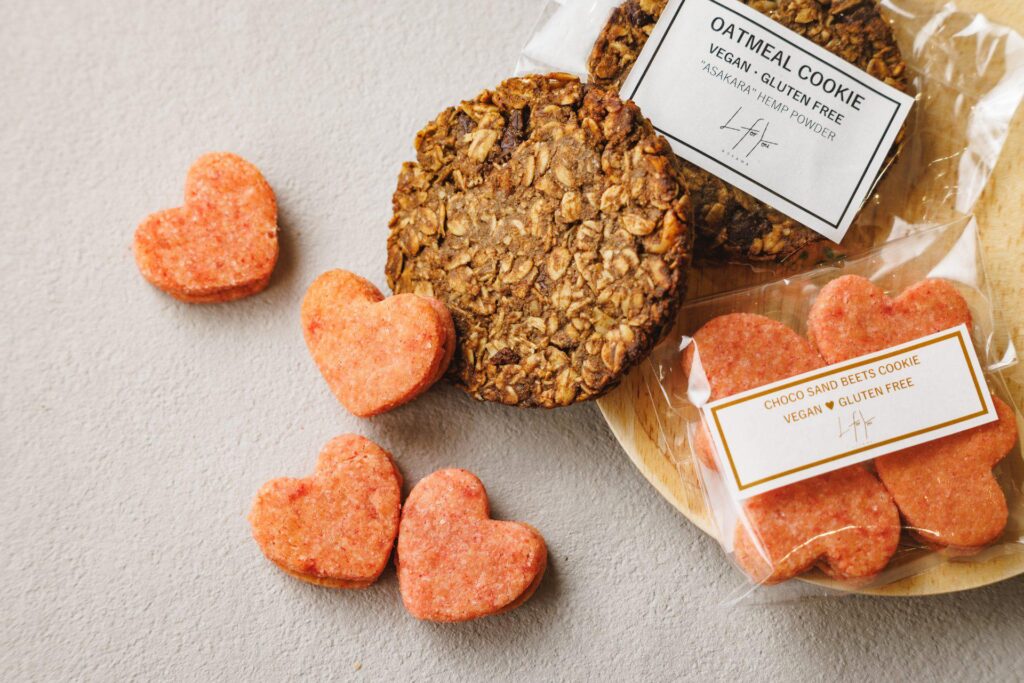
All our baked goods are vegan and made without wheat flour or white sugar (refined cane sugar). For sweetness we use beet sugar and a few other ingredients. You can buy them at our shop in Minami-Aoyama any day, and our staff can tell you the ingredients of each one.
We don’t use wheat flour, and no wheat is handled in our kitchen. However, we cannot rule out trace contamination that comes from the raw materials themselves — for example, when an ingredient is grown or processed near wheat. Some items contain nuts such as walnuts and almonds.
Frequently Asked Questions
Visit Us in Minami-Aoyama
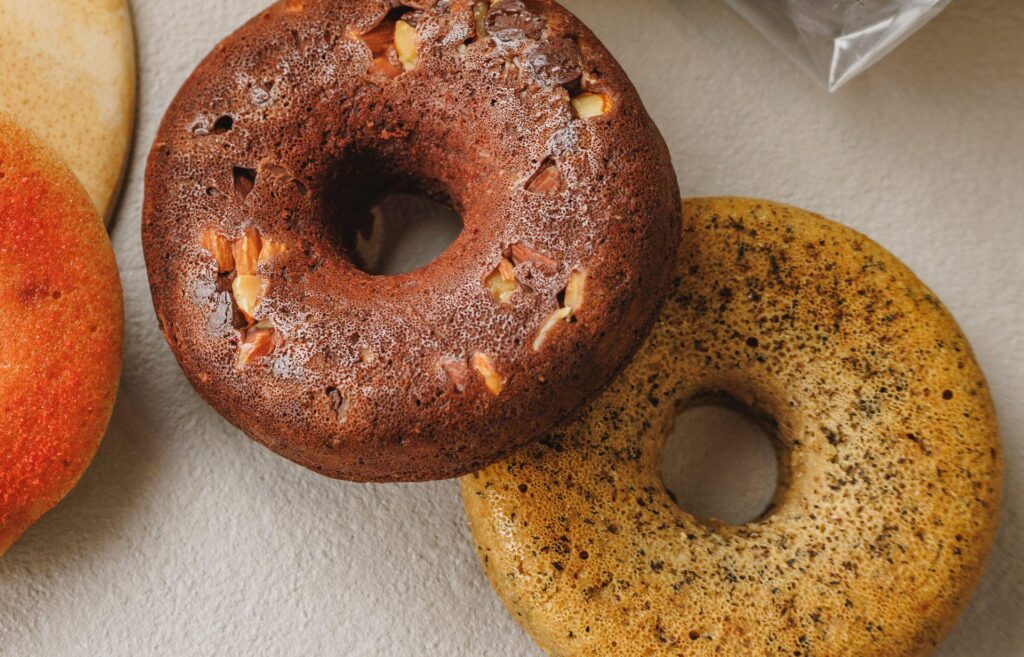
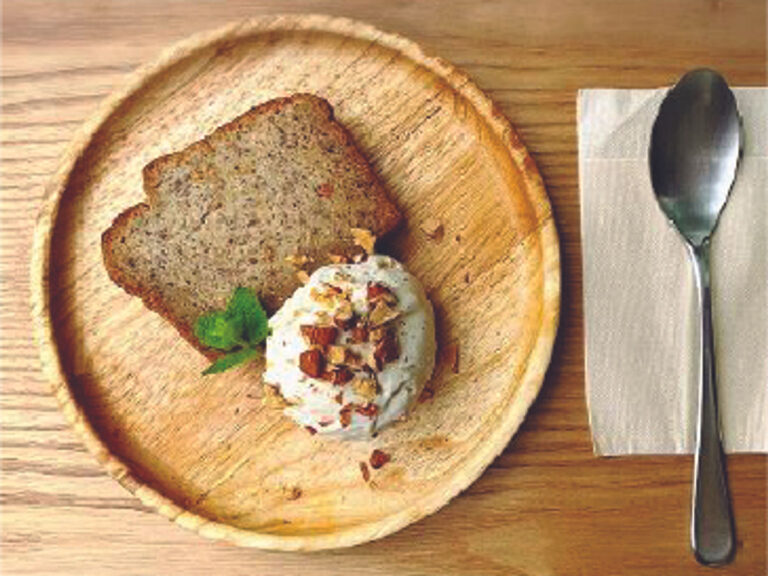
L for You AOYAMA is a 6-minute walk from Omotesando Station. Our cookies, donuts and pound cakes are on the shelf every day; the flavors change from day to day.
| L for You AOYAMA | |
|---|---|
| Address | 1F Ikegami Bldg, 3-9-3 Minami-Aoyama, Minato-ku, Tokyo |
| Access | 6-minute walk from Omotesando Station, Exit A4 |
| Hours | Mon–Thu 11:00–20:00 / Fri 11:00–21:00 / Sat 9:30–21:00 / Sun 9:30–18:00 |
| Phone | +81-3-6459-2504 |
See access and opening hours and our menu before you visit.