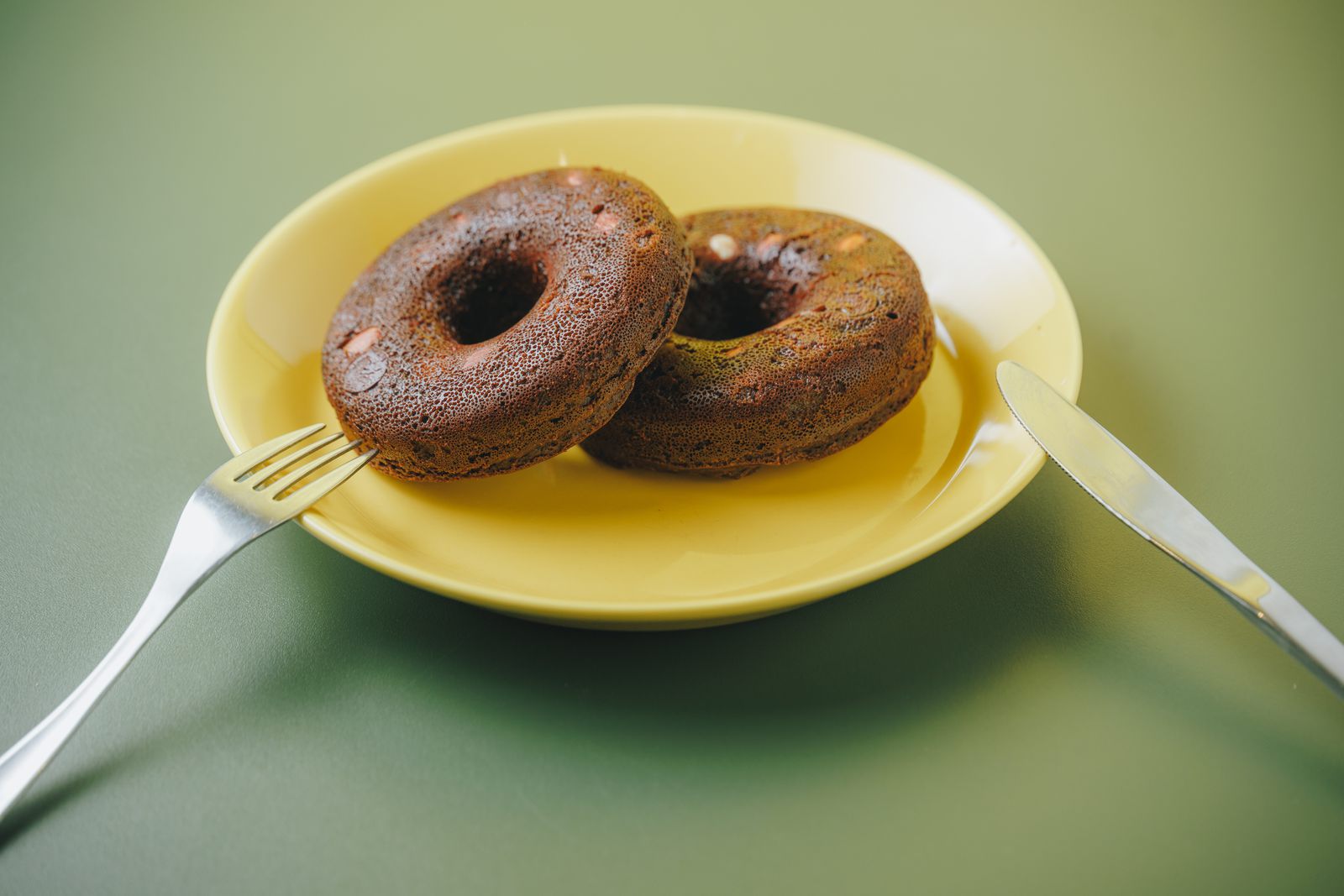

“Gluten-free” and “vegan” often appear side by side, and many people assume they mean the same thing. Here is what each word avoids and how they differ, with food examples and how to read the labels.
In short: gluten-free means avoiding gluten, found in grains such as wheat, barley and rye. Vegan means avoiding meat, fish, eggs, dairy, honey and other animal-derived foods. Because they avoid different things, many foods meet only one of the two.
- Gluten-free means avoiding gluten, found in grains such as wheat, barley and rye.
- Vegan means avoiding animal-derived foods such as meat, fish, eggs, dairy and honey.
- Because they avoid different things, a food that meets one does not necessarily meet the other.
- One label tells you about only one side. To check both, read the ingredient list.
The Difference Is What Each One Avoids
Gluten-free is a way of eating that avoids gluten, a protein found in grains such as wheat, barley and rye. Vegan is a way of eating that avoids animal-derived foods such as meat, fish, eggs, dairy and honey.
| Gluten-free | Vegan | |
|---|---|---|
| What it avoids | Gluten, found in grains such as wheat, barley and rye | Animal-derived foods such as meat, fish, eggs, dairy and honey |
| Examples of what is fine | Rice, eggs, dairy, meat, fish | Wheat flour, rice, vegetables, beans, fruit |
| Main reasons | Medical reasons such as celiac disease or a wheat allergy / how the body responds, or preference | The idea of living, as far as possible, without using animals |
| Rules behind the labels | In the US and Europe, a standard of less than (or no more than) 20 ppm of gluten. In Japan, rice flour can carry a “non-gluten” (ノングルテン) label at 1 ppm or less | In 2022, Japan created a voluntary JAS standard for “processed foods suitable for vegetarians or vegans” |
These are general differences. How strictly people avoid things varies from person to person.
The reasons for choosing them differ too. Gluten-free is chosen by people who need to avoid gluten for medical reasons, such as celiac disease or a wheat allergy, and by people who take it up because of how their body responds or simply by preference. Veganism comes from the idea of living, as far as possible, without using animals.
Many Foods Meet Only One
Because they avoid different things, a food that meets one does not necessarily meet the other. Bread and pasta made with wheat flour can be made without any animal ingredients, and some sweets made with eggs and butter use no wheat flour.
| Gluten-free | Vegan | |
|---|---|---|
| Wheat bread made without butter or milk | No (uses wheat) | Yes |
| Pasta with tomato sauce (no meat or cheese) | No (uses wheat) | Yes |
| Rice-flour cake made with eggs and butter | Yes (if no gluten grains are used) | No (uses eggs and dairy) |
| Grilled fish with white rice | Yes (if no seasonings with wheat are used) | No (uses fish) |
| Rice, vegetables and tofu | Yes (if no seasonings with wheat are used) | Yes (if no animal-based dashi or similar is used) |
These are general examples. A dish with the same name can differ depending on how it is made and seasoned. The surest way is to read the ingredient list or ask the shop.
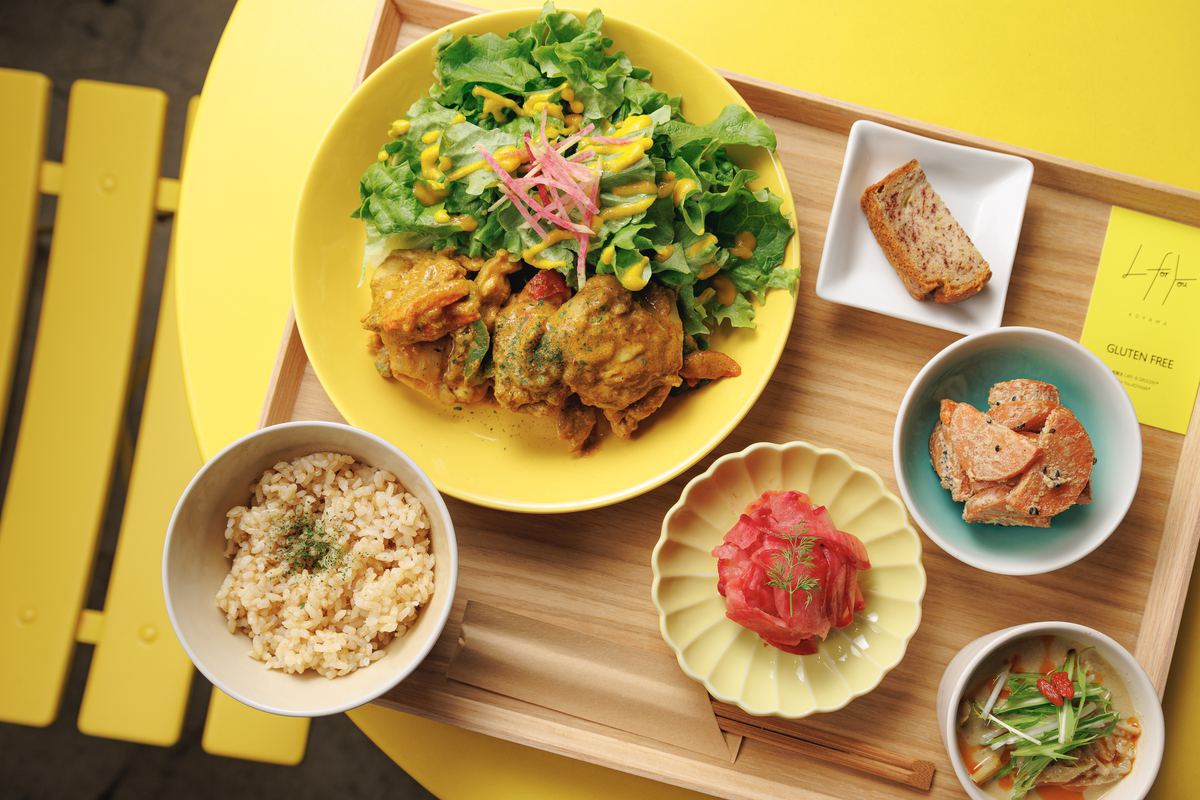
Foods that meet both use neither grains with gluten nor anything animal-derived. Rice, vegetables, beans and fruit meet both as they are. But season them with soy sauce made with wheat, or with dashi made from bonito flakes, and they can fall outside one or the other.
Reading Labels: One Label Tells You About Only One Side
When you choose packaged food, look at which question the label is answering. “Gluten-free” is about gluten, and “vegan” is about animal-derived ingredients; neither tells you about the other.
| What it tells you | What it doesn’t | |
|---|---|---|
| グルテンフリー gluten-free | It was made avoiding gluten | Whether animal-derived ingredients such as eggs or dairy are used |
| ノングルテン non-gluten | A rice flour or rice-flour product with 1 ppm of gluten or less | Whether animal-derived ingredients are used |
| ヴィーガン vegan | No animal-derived ingredients are used | Whether wheat or other grains with gluten are used |
| 小麦・卵・乳 wheat, egg, milk in the allergy labeling | Whether ingredients that must be declared are used | Whether barley, rye or honey is used |
The “non-gluten” label is based on guidelines from Japan’s Ministry of Agriculture, Forestry and Fisheries (2017). How “gluten-free” and “vegan” are written, and how strict they are, differ by product and by shop.
To find something that meets both, read the ingredient list (原材料名, genzairyō-mei). Check two things in turn: that there is no wheat, barley or rye, and that there is nothing animal-derived such as egg, milk or honey.
For eating without gluten, see Gluten-Free in Japan: A First-Time Visitor’s Guide. For how oats relate to gluten, see Is Oatmeal Gluten-Free?. For reading vegan labels, see Vegan Sweets in Tokyo: What “Vegan” Means on a Japanese Label.
L for You’s Baked Goods Are Both Gluten-Free and Vegan
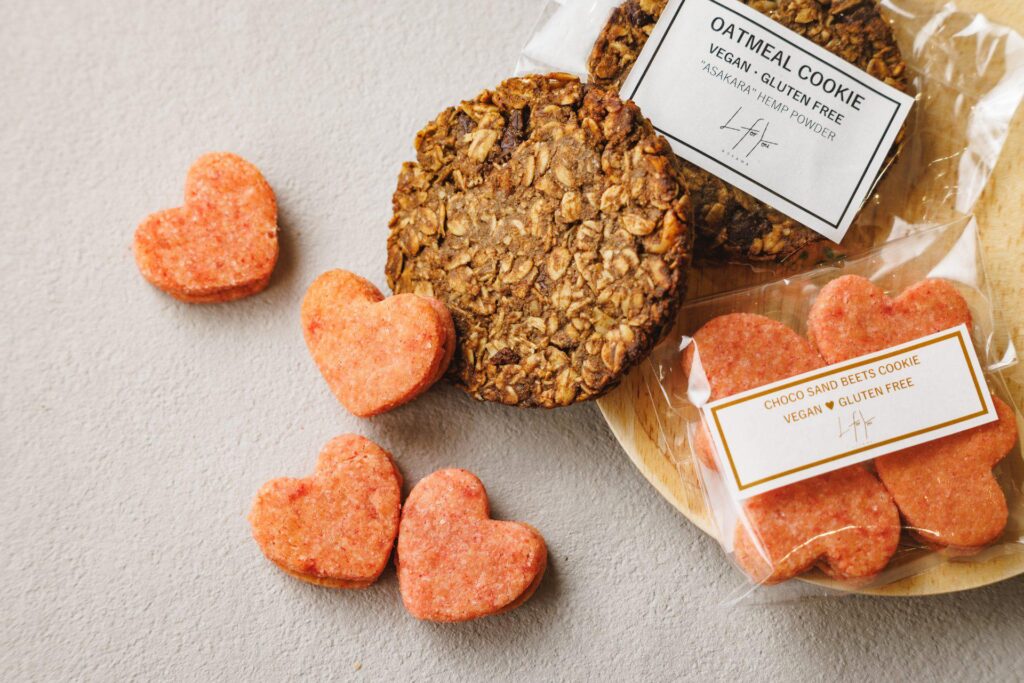
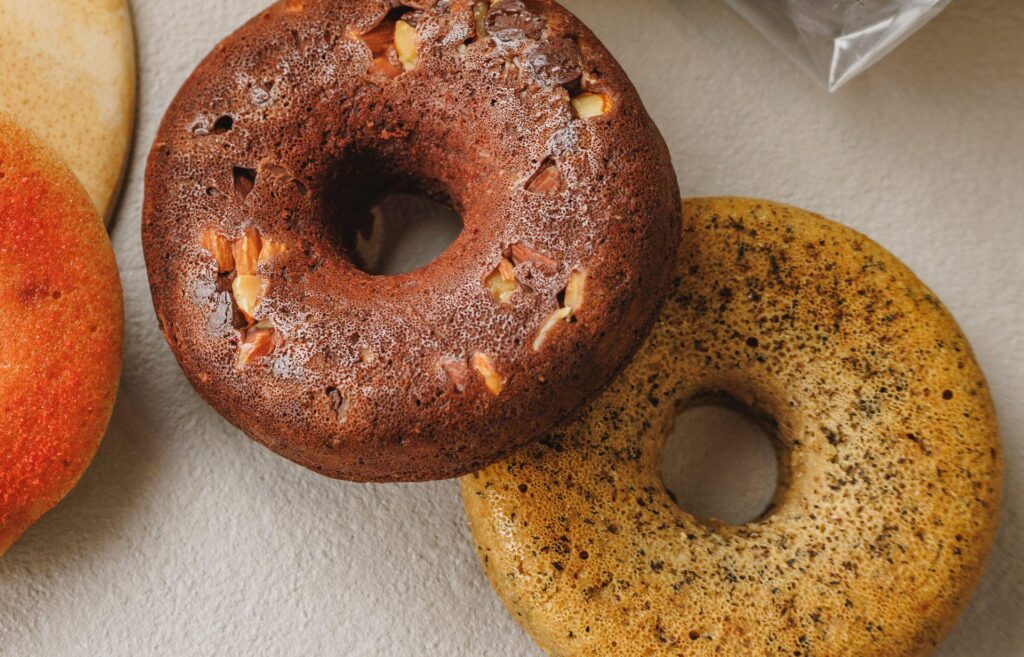
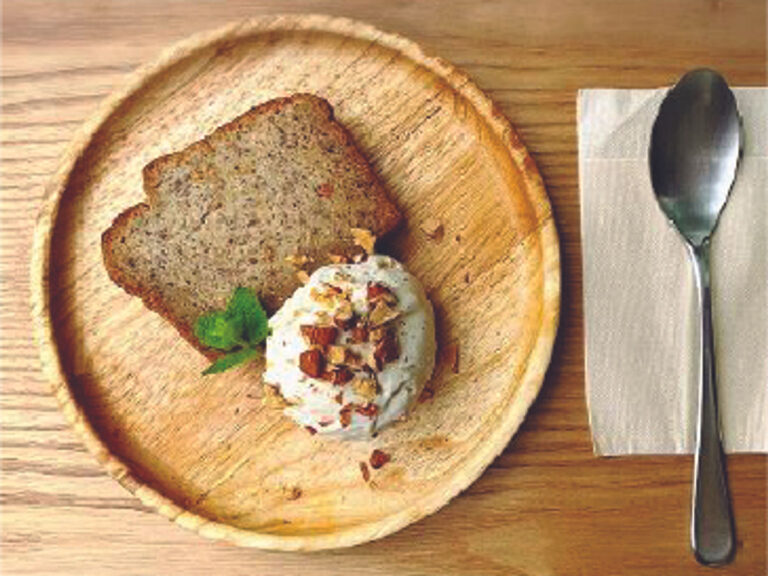
All of L for You’s baked goods are vegan: we use no animal-derived ingredients such as eggs, dairy or honey. We use no wheat flour either, baking with rice flour, oats and other ingredients. We don’t use refined cane sugar; we sweeten with beet sugar and other sweeteners.
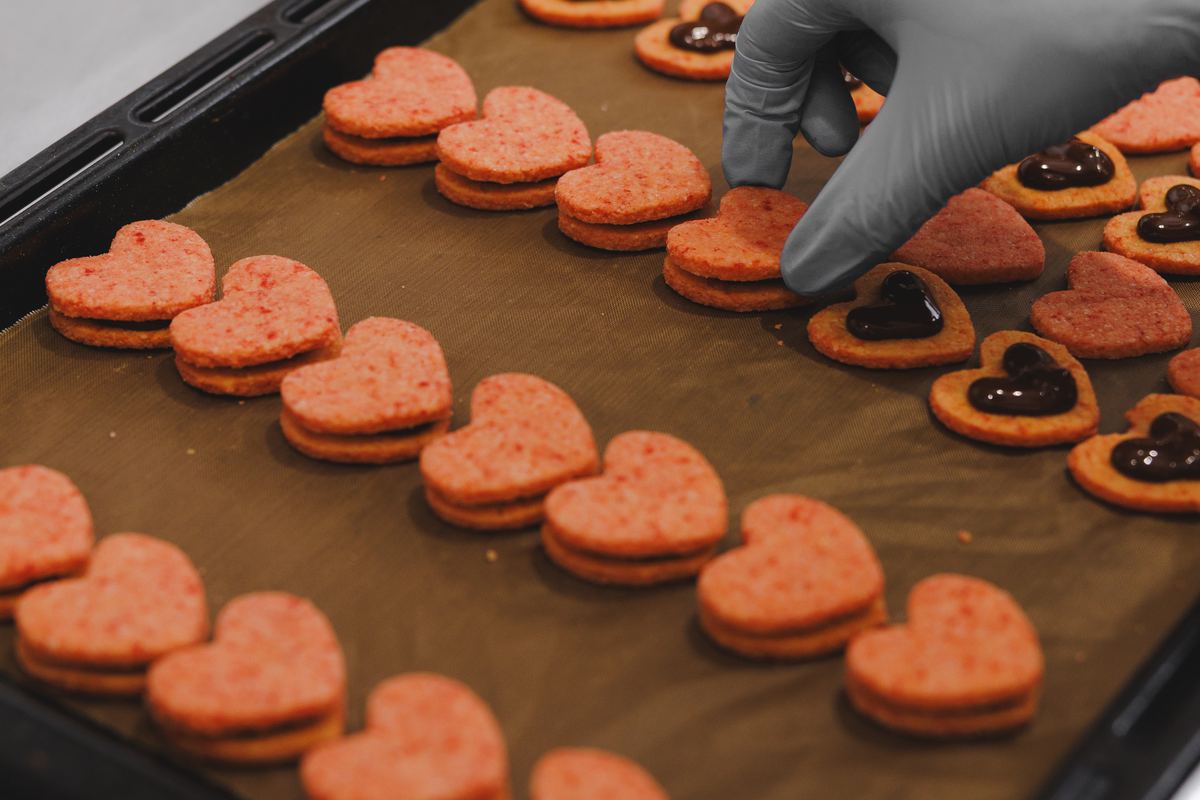
At our cafe, many dishes are vegan, while some include fish, chicken or pork. You can always buy our baked goods at our shop in Minami-Aoyama.
We don’t use wheat flour, and no wheat is handled in our kitchen. However, we cannot rule out trace contamination that comes from the raw materials themselves — for example, when an ingredient is grown or processed near wheat. Some items also contain nuts such as walnuts and almonds.
Frequently Asked Questions
Visit Us in Minami-Aoyama
L for You AOYAMA is a 6-minute walk from Omotesando Station. Our staff can tell you what goes into each dish and baked good.
| L for You AOYAMA | |
|---|---|
| Address | 1F Ikegami Bldg, 3-9-3 Minami-Aoyama, Minato-ku, Tokyo |
| Access | 6-minute walk from Omotesando Station, Exit A4 |
| Hours | Mon–Thu 11:00–20:00 / Fri 11:00–21:00 / Sat 9:30–21:00 / Sun 9:30–18:00 |
| Phone | +81-3-6459-2504 |
See access and opening hours and our menu before you visit.