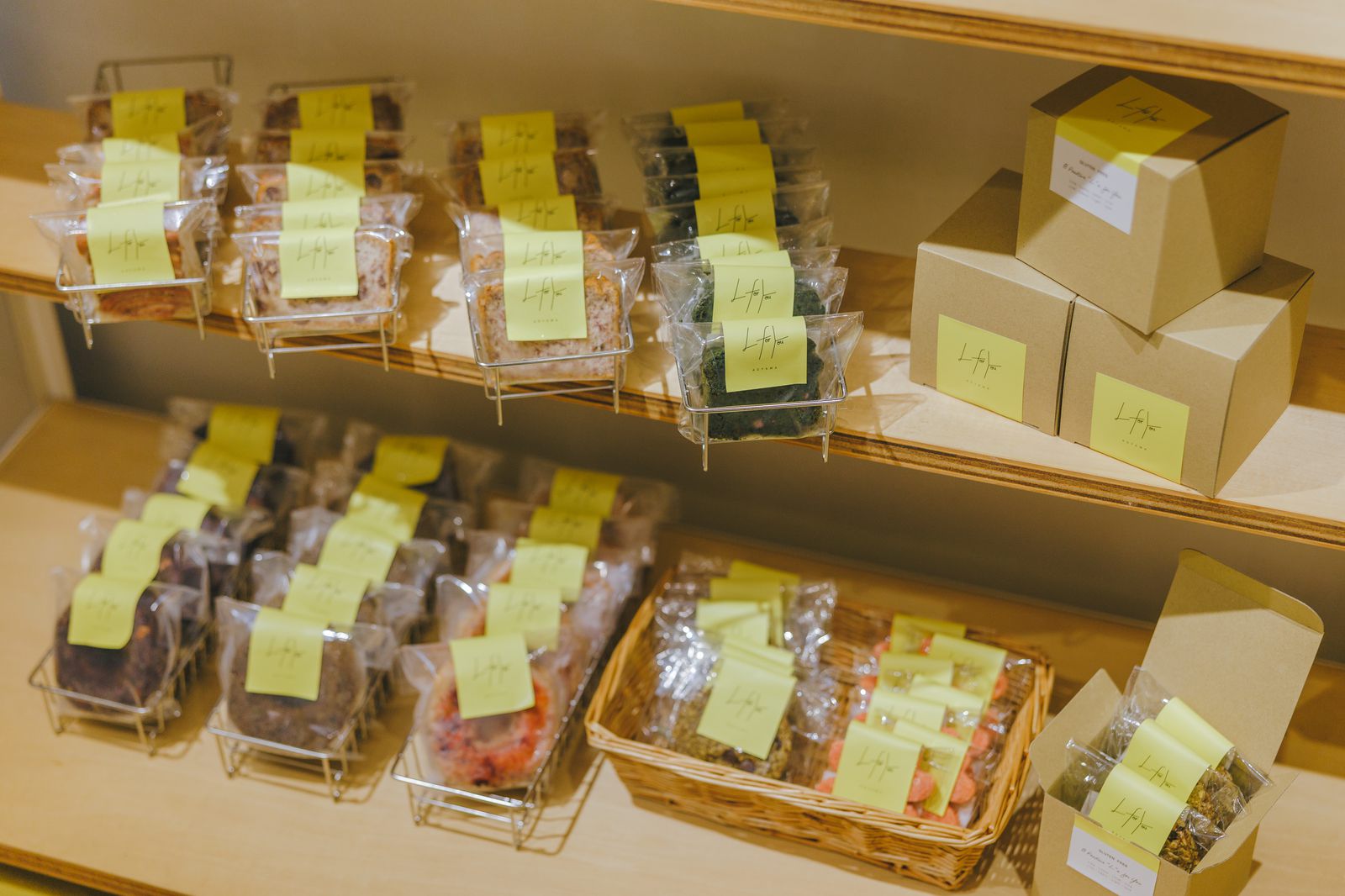

You’re in a Tokyo convenience store and every snack pack is in Japanese. Which ones are made without wheat? The answer is on the pack, once you know which words to look for.
This guide shows where to look in each kind of store and which Japanese words matter. We don’t name products, since shelves change by store and season.
“Gluten-Free” Has No Official Definition in Japan
Japan’s food labeling rules set no conditions for the word グルテンフリー (gluten-free), so its meaning depends on each maker. Here is what the words on the front of a pack tell you.
| What it tells you | What to check | |
|---|---|---|
| グルテンフリー guruten furī / gluten-free | Japan has no official conditions for this word. What it is based on differs by product | The maker's own explanation of what standard it uses |
| GLUTEN FREE on imported snacks | In the United States, a label for foods with less than 20 ppm of gluten, among other conditions | The Japanese label on the back as well |
| ノングルテン non-guruten | A Japanese label for rice flour and rice-flour products, based on 1 ppm of gluten or less | Whether the certification mark is printed |
| 小麦粉不使用・米粉使用 no wheat flour / made with rice flour | Wheat flour is not used, or rice flour is used | Whether wheat flour is used alongside it, and whether barley or rye is used |
The international food standard (Codex) treats foods with 20 mg/kg (20 ppm) of gluten or less as gluten-free. Whether the limit is "less than" or "or less" differs by country and standard.
Treat these words as a starting point. Whether wheat, barley or rye is used is something you confirm on the back of the pack.
Turn the Pack Over: Three Places to Check
On the back of a snack sold in Japan, check three places: the allergen line, the ingredient list and any note outside the label box. Each tells you something different.
What the Japanese words in each place mean is explained in How to Read Japanese Food Labels for Wheat and Gluten. For how to look at what replaces wheat flour, and at oats, in cookies, see How to Choose Gluten-Free Cookies; whether oats contain gluten is covered in Is Oatmeal Gluten-Free?. For the grains that contain gluten and foods that are easy to overlook, see Gluten-Free in Japan: A First-Time Visitor’s Guide.
| What you learn | Keep in mind | |
|---|---|---|
| Allergen line アレルギー物質 | Wheat (小麦) must be labeled in Japan. If it is used, you will see something like (一部に小麦を含む) — "contains wheat" | Barley and rye do not have to be labeled |
| Ingredient list 原材料名 | Everything used, in order of weight | Look for 大麦 (barley), ライ麦 (rye), 麦芽 or モルト (malt), and オーツ麦 or えん麦 (oats) |
| Note outside the label box | A line such as 本品製造工場では小麦を含む製品を生産しています — "this factory also makes products containing wheat" | Makers decide whether to print it. No note does not mean no cross-contact |
A general reading based on Japan's labeling rules. For each product, the label on that pack is what counts.
Where to Look: Convenience Stores, Supermarkets and Drugstores
Snacks made without wheat flour turn up in many kinds of stores in Japan. How many there are, and where they sit, varies from store to store.
| Where to look | Keep in mind | |
|---|---|---|
| Convenience stores コンビニ konbini | The snack and sweets shelves. Rice-based snacks made without wheat flour are sometimes there | The range changes by store and season. Rice-based snacks can still contain wheat, for example in a soy sauce seasoning |
| Supermarkets スーパー sūpā | Health food or natural food shelves, and imported food shelves | Snacks without wheat flour also sit outside those shelves |
| Drugstores ドラッグストア | Food aisles and health food shelves, where rice-flour or soy-flour snacks may be found | Read the label the same way as anywhere else |
| Natural food stores and specialty shops | Some stores group gluten-free and vegan items together | Sweets made in the shop and sold unpackaged may have no label. Ask the staff |
Wherever you shop, the check is the same: the back of the pack. If a snack has no label, ask a staff member about the ingredients — the phrase in the next section helps. For the order to check the back of a bag at a convenience store, see Additive-Free (無添加) Snacks at Japanese Convenience Stores.
Japanese Words to Save on Your Phone
These are the words worth recognizing on a label. A screenshot of this table is handy at the shelf.
| Japanese | Reading | Meaning |
|---|---|---|
| 小麦 | komugi | wheat |
| 小麦粉 | komugiko | wheat flour |
| 大麦 | ōmugi | barley (does not have to be labeled as an allergen) |
| ライ麦 | raimugi | rye (does not have to be labeled as an allergen) |
| 麦芽・モルト | bakuga / moruto | malt |
| オーツ麦・えん麦 | ōtsumugi / enbaku | oats |
| 米粉 | komeko | rice flour |
| しょうゆ・醤油 | shōyu | soy sauce (most Japanese soy sauce is brewed with wheat) |
| 一部に小麦を含む | ichibu ni komugi o fukumu | "contains wheat" (part of the allergen line) |
| 小麦は入っていますか? | Komugi wa haitte imasu ka? | "Does this contain wheat?" — to ask a staff member |
Skip the Label Puzzle: Our Baked Goods in Minami-Aoyama
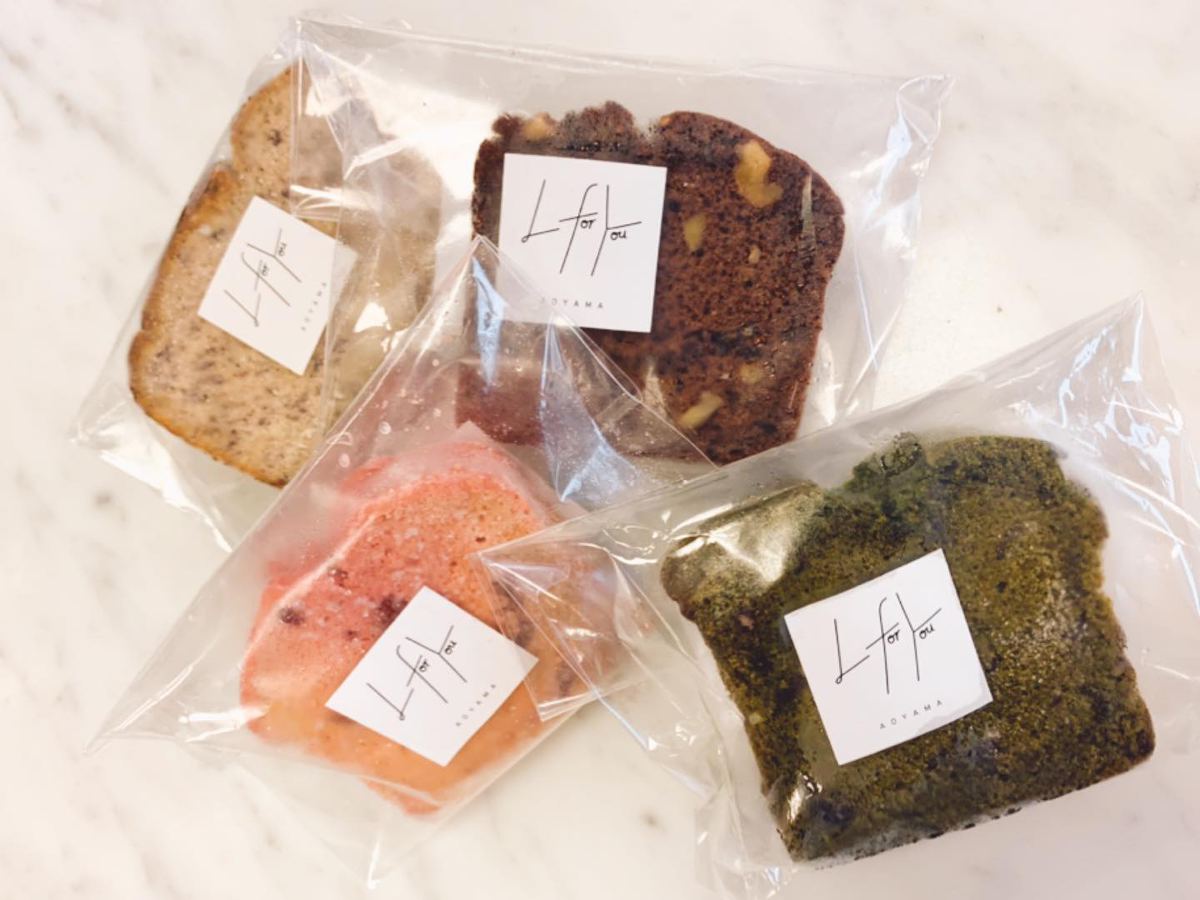
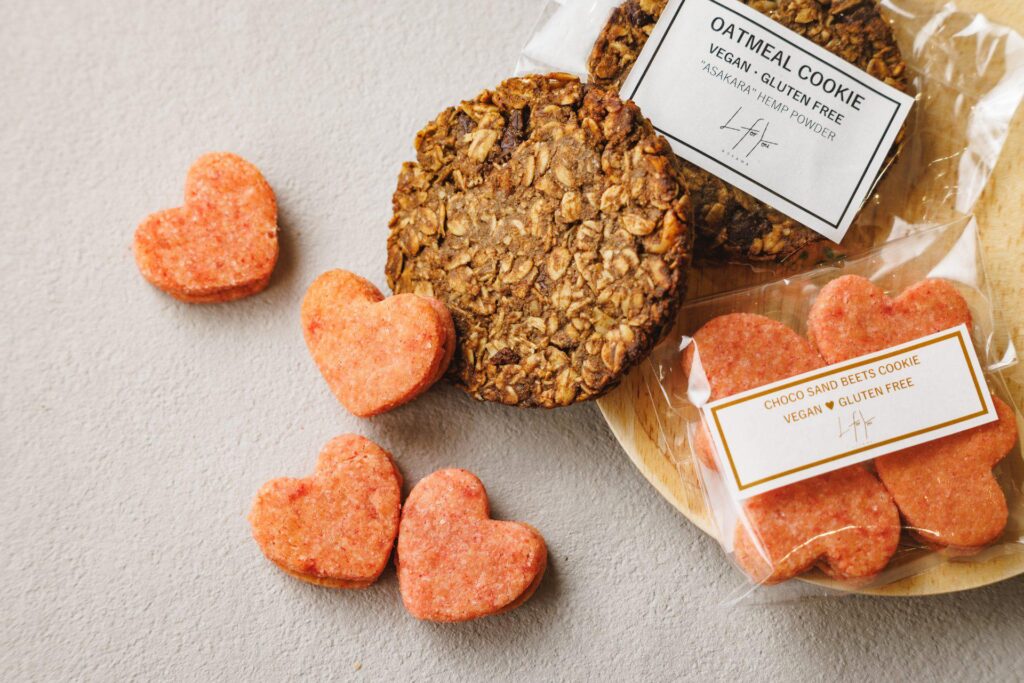
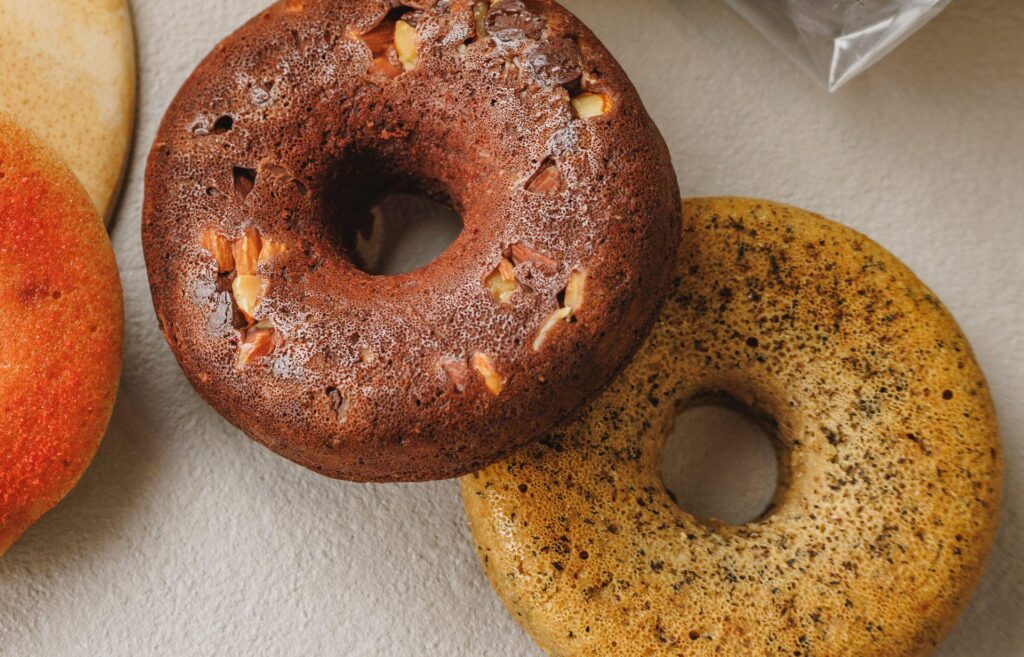
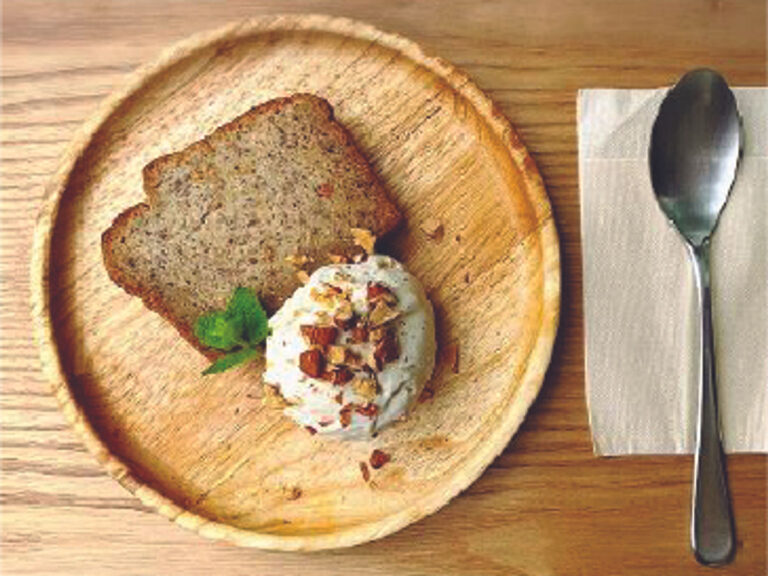
At L for You AOYAMA, every baked good is vegan and made without wheat flour, and no wheat is handled in our kitchen. Cookies, donuts and pound cakes are always on the shelf.
However, we cannot rule out trace contamination that comes from the raw materials themselves — for example, when an ingredient is grown or processed near wheat. Some items contain nuts such as walnuts and almonds.
Frequently Asked Questions
Visit Us
| L for You AOYAMA | |
|---|---|
| Address | Ikegami Building 1F, 3-9-3 Minami-Aoyama, Minato-ku, Tokyo |
| Access | 6-minute walk from Omotesando Station, Exit A4 |
| Hours | Mon–Thu 11:00–20:00 / Fri 11:00–21:00 / Sat 9:30–21:00 / Sun 9:30–18:00 |
| Phone | +81-3-6459-2504 |
See how to find us, browse the menu, or read about how we handle wheat, down to the soy sauce and miso.