
WRITTEN BY
Shun Yamazaki
PR at L for You. Born in Toyama, raised in his mother’s additive-free natural food cafe. Former fashion model. Now sharing the importance of real food from Minami-Aoyama.
If you avoid gluten, the back of a Japanese snack can look like a wall of small kanji. You only need to find a few words — and to know one thing that surprises many visitors: Japanese labels have to tell you about wheat, but not about gluten.
This guide shows the Japanese words exactly as they appear on a package, explains what each one means, and points out what a label cannot tell you. It is based on the labeling rules published by Japan’s Consumer Affairs Agency (checked in October 2026).
- Wheat (小麦) must be declared on packaged food. Barley (大麦) and rye (ライ麦) do not have to be.
- No wheat on the label does not mean the food is gluten-free.
- Japan has no official standard for “gluten-free” claims.
- Restaurant meals and unwrapped bakery items are outside the labeling rules — ask the staff.
Japan’s Allergy Labels Cover Wheat — Not Gluten
Packaged food in Japan must declare nine “specified ingredients” (特定原材料, tokutei genzairyō): shrimp, cashew nuts, crab, walnuts, wheat, buckwheat, egg, milk and peanuts. Cashew nuts were recently added to the list, with a two-year transition period for makers. Another 20 items are recommended but not required.
| On the label | Meaning | Must it be declared? |
|---|---|---|
| 小麦 (komugi) | Wheat | Yes — one of the nine specified ingredients |
| 大麦 (ōmugi) | Barley | No |
| ライ麦 (rai-mugi) | Rye | No |
| オーツ麦 / えん麦 (ōtsu-mugi / enbaku) | Oats | No |
The Agency’s labeling handbook spells it out: the wheat rule covers every kind of wheat and wheat flour, while barley and rye are outside it. The same handbook notes that Western “gluten-free” labels and Japan’s allergy labels follow different standards. So a label with no wheat on it can still contain barley, rye or malt.
Where to Look on the Back of the Package
Most packaged food carries a boxed label on the back. The line to read is 原材料名 (genzairyō-mei, ingredients). Ingredients come first, from the heaviest down. Additives follow, set apart by a slash 「/」, a line break, or a separate line headed 添加物 (tenkabutsu, additives).
| On the label | What it means | How to use it |
|---|---|---|
| 原材料名 | Ingredients | Read the whole line, not only the brackets |
| / | Additives start after this mark | Allergy notes cover additives too, so keep reading past it |
| (小麦を含む) | “Contains wheat” — placed right after the ingredient that contains it | The standard way of showing allergens |
| (一部に小麦・大豆を含む) | “Contains, in part, wheat and soy” — one note at the very end, covering the whole product | Used instead of the notes above, never mixed with them |
| 乳成分 / 卵 | Milk / egg | How milk and egg appear in allergy notes |
One catch: the “contains wheat” note can be left out when wheat is already obvious from the name, such as 小麦粉 (komugiko, wheat flour), or when wheat has already been mentioned earlier in the list. Scan the whole line for 小麦, not just the brackets.
Japanese Words That Can Mean Gluten
These are the words to look for in 原材料名. Only wheat must be declared; the others you have to spot yourself.
| On the label | Reading and meaning | What to know |
|---|---|---|
| 小麦 / 小麦粉 / 全粒粉 | komugi / komugiko / zenryūfun — wheat, wheat flour, whole-wheat flour | Must be declared |
| 大麦 / 麦芽 / モルト | ōmugi / bakuga / moruto — barley, malt | No duty to declare. Malt is usually made from barley |
| ライ麦 | rai-mugi — rye | No duty to declare |
| オーツ麦 / えん麦 / オートミール | ōtsu-mugi / enbaku / ōtomīru — oats, oatmeal | No gluten of their own, but often mixed with wheat (see below) |
| 醤油 / しょうゆ | shōyu — soy sauce | Regular soy sauce is usually brewed with wheat, so it often appears as 醤油(大豆・小麦を含む) |
| 水あめ | mizuame — starch syrup | A sweet syrup made from starch. Which starch is often not printed |
Soy sauce turns up in a great many Japanese dishes and snacks. How we handle soy sauce and miso in our own kitchen is explained in our guide for celiac guests.
Where soy sauce hides in meals, along with miso, dashi and batter, is listed in Hidden Gluten in Japanese Food; for mochi and other rice sweets, see Is Mochi Gluten-Free?
Oats (オーツ麦): No Gluten of Their Own, but Often Mixed
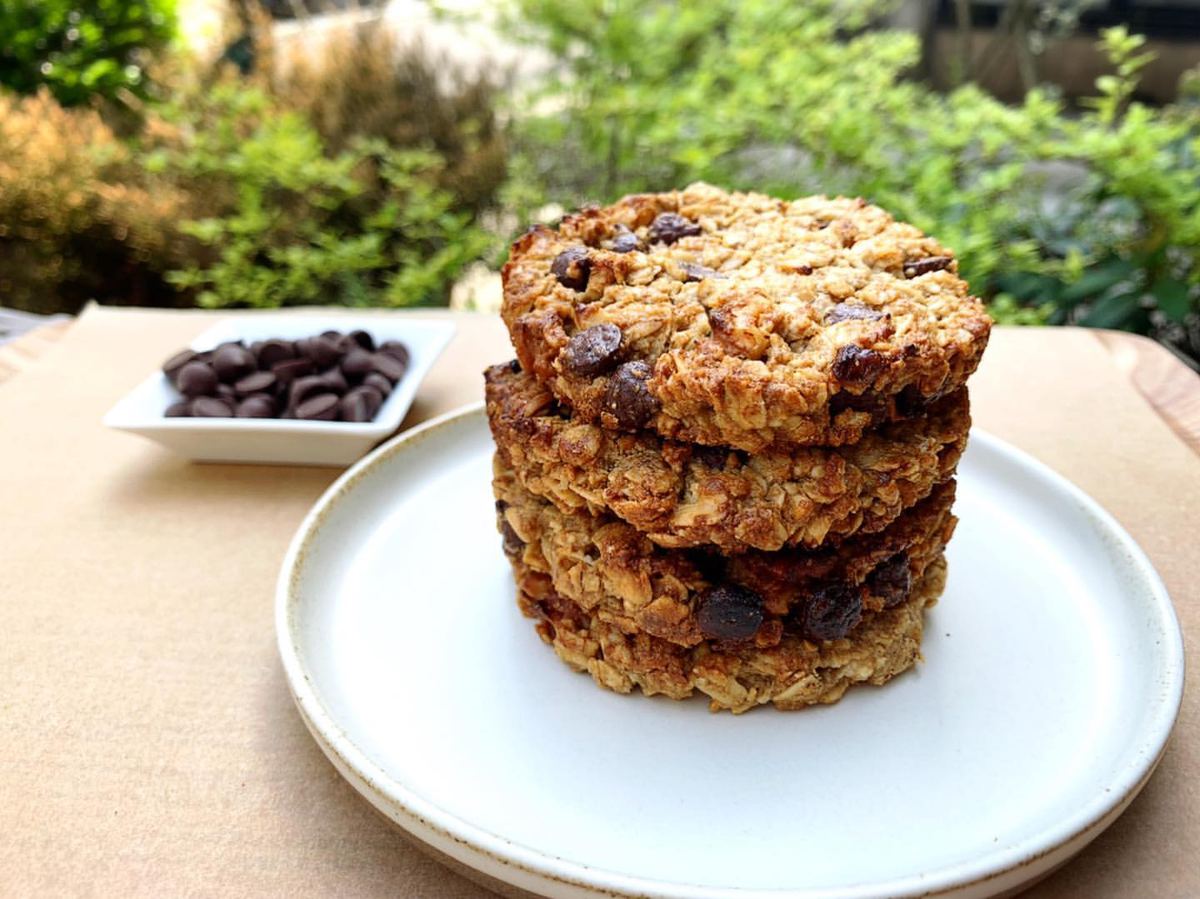
Oats contain a protein called avenin rather than gluten. But they are often grown, harvested and milled alongside wheat and barley, so ordinary oats can pick up gluten along the way. Oats sold for gluten-free diets therefore carry a gluten-free claim; in the US, for example, the FDA allows “gluten-free” on foods with less than 20 ppm of gluten. For more, see Is Oatmeal Gluten-Free?.
Coeliac UK, the UK charity for people with coeliac disease, explains that most people with coeliac disease can eat gluten-free oats, while a small number react to avenin. Whether that applies to you is something this article cannot judge.
What “Gluten-Free” and Factory Notes Tell You — and What They Don’t
Japan has no official standard for a “gluten-free” (グルテンフリー) claim, so what it means depends on the maker. Imported products marked GLUTEN FREE follow the rules of their home country.
| On the label | What it tells you | What it doesn’t |
|---|---|---|
| グルテンフリー / GLUTEN FREE | The maker sells it as free of gluten | Which standard it follows — Japan has none of its own |
| ノングルテン | A Japanese label for rice flour and rice-flour products, tested at 1 ppm of gluten or less | It is only used on rice flour and rice-flour products |
| 小麦不使用 | No wheat is used | Whether barley, rye or malt is used |
| 本品製造工場では小麦を含む製品を生産しています | The same factory also makes products containing wheat | Whether this product contains any. The note is recommended, not required, so no note does not mean no risk |
Japan’s rules do not allow vague “may contain” wording. Makers who cannot rule out wheat getting in are asked to state the fact instead, such as “this factory also makes products containing wheat.” For reading the package and where to buy, see Gluten-Free Snacks in Japan.
Cafes, Restaurants and Unwrapped Bakery Items: Ask the Staff
Allergy labeling applies to packaged food. Food sold unwrapped or by weight, and meals served in restaurants and cafes, are outside the rules. Many places can still tell you what is in a dish — these sentences may help.
| Japanese | English |
|---|---|
| 私はグルテン(小麦・大麦・ライ麦)を食べられません。 | I can’t eat gluten (wheat, barley or rye). |
| これには、小麦・大麦・ライ麦が入っていますか? | Does this contain wheat, barley or rye? |
| しょうゆやだしに、小麦は入っていますか? | Is there wheat in the soy sauce or the broth? |
| 原材料を見せていただけますか? | Could I see the ingredients? |
Frequently Asked Questions
Visit Us in Minami-Aoyama
At L for You AOYAMA, a 6-minute walk from Omotesando Station, our staff can tell you the ingredients of each dish and baked good. We don’t use wheat flour, and no wheat is handled in our kitchen. However, we cannot rule out trace contamination that comes from the raw materials themselves — for example, when an ingredient is grown or processed near wheat.
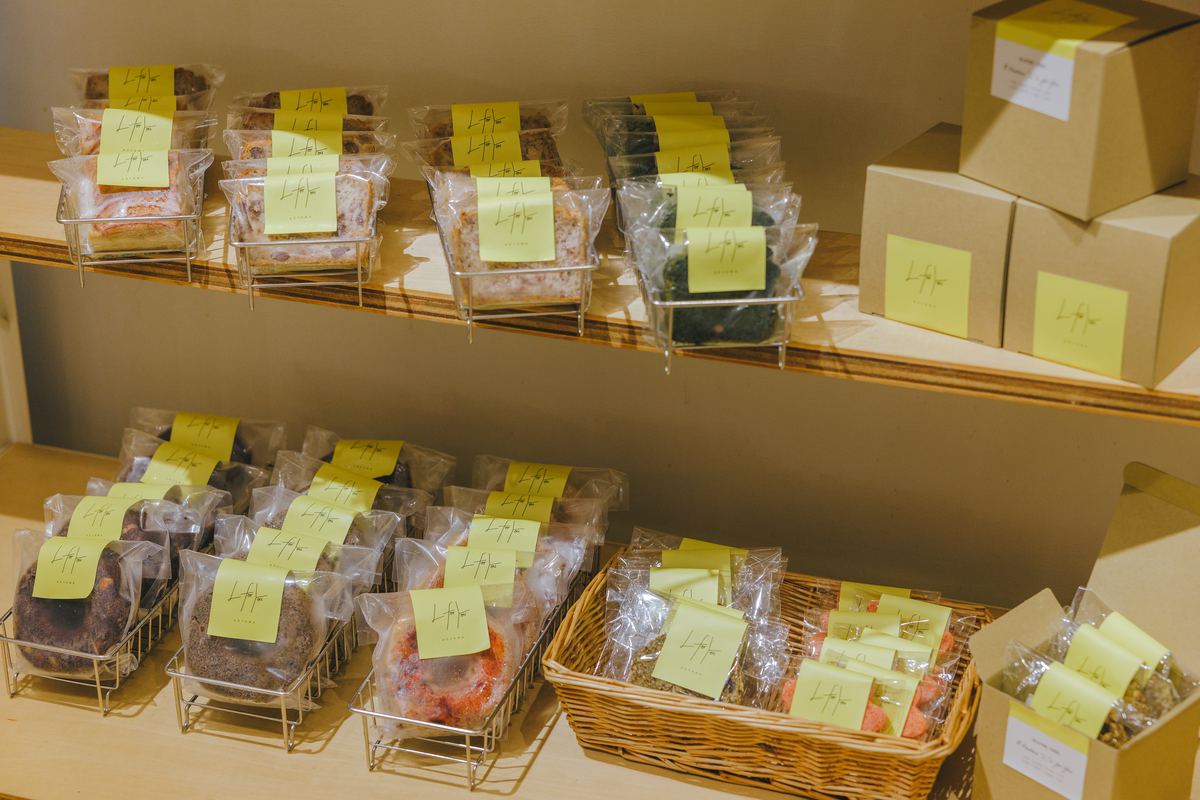
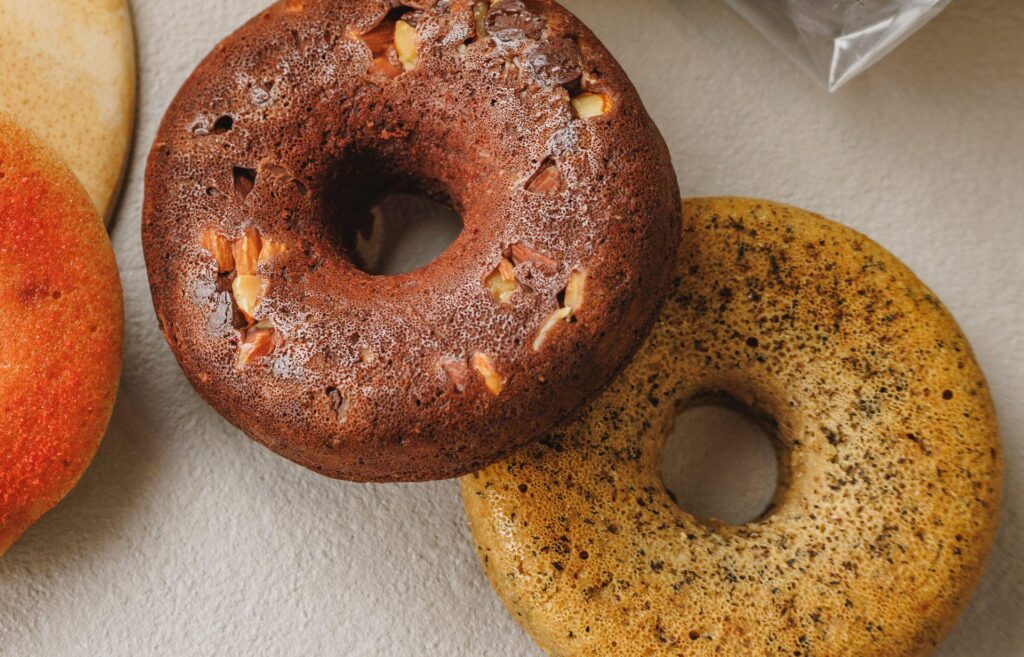
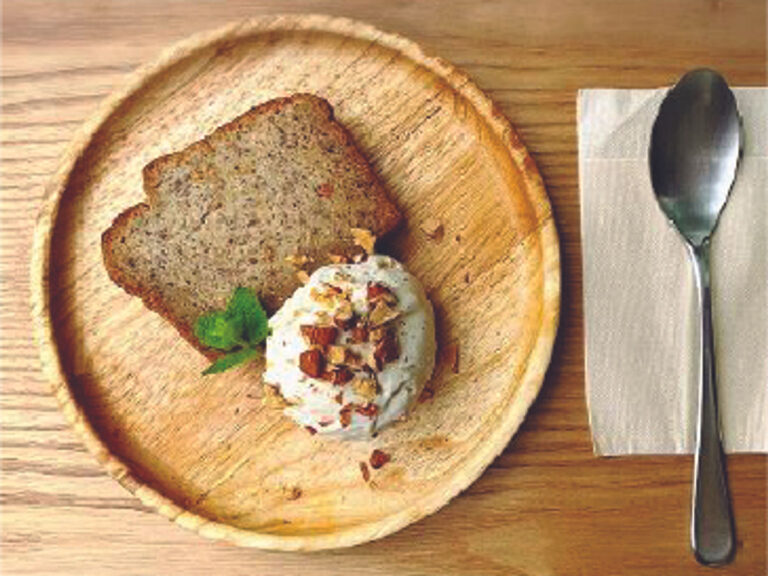
All our baked goods are vegan, and their ingredient lists show no barley, rye or malt (as of October 25, 2026). As a rule, we do not use food additives. Some items contain nuts such as walnuts and almonds.
| Name | L for You AOYAMA |
|---|---|
| Address | Ikegami Building 1F, 3-9-3 Minami-Aoyama, Minato-ku, Tokyo |
| Access | 6-minute walk from Omotesando Station, Exit A4 |
| Hours | Mon-Thu 11:00-20:00 / Fri 11:00-21:00 / Sat 9:30-21:00 / Sun 9:30-18:00 |
See access and opening hours and our menu before you visit.
Sources (checked October 25, 2026)
- Consumer Affairs Agency: Handbook on allergy labeling for processed foods (April 2026, Japanese, PDF)
- Consumer Affairs Agency: How additives are shown on labels (Japanese, PDF)
- Ministry of Agriculture, Forestry and Fisheries: Non-gluten rice flour (Japanese)
- U.S. FDA: Gluten and food labeling
- Coeliac UK: Oats