
Mochi is made from rice, so it must be gluten-free — right? Plain mochi usually is. But in Japan, mochi rarely comes plain: a glaze, a wrapper or a dusting of powder can bring in wheat.
This guide shows the Japanese names of rice flours and sweets as they appear on a pack, and where wheat tends to turn up. It is based on information published by Japan’s Ministry of Agriculture, Forestry and Fisheries and other public bodies (checked in October 2026).
- Glutinous rice (もち米) contains no gluten. “Glutinous” means sticky.
- Wheat can come in through soy sauce (醤油), wheat-flour wrappers or wheat starch.
- Some traditional mochi and kuzumochi are made with wheat.
- Read 原材料名 (ingredients) on the pack. For unwrapped sweets, ask the staff.
Plain Mochi Is Rice — and “Glutinous” Doesn’t Mean Gluten
Mochi is glutinous rice (もち米, mochigome) that has been steamed and pounded. Rice contains no gluten, and glutinous rice is no exception: the name refers to its sticky texture.
Many Japanese sweets start from rice flour instead. These are the flours you will see on labels.
| Made from | Often used for | |
|---|---|---|
| 上新粉 jōshinko | Non-glutinous (everyday) rice | Dango, kashiwa-mochi, kusa-mochi |
| 白玉粉 shiratamako | Glutinous rice | Shiratama dumplings, gyūhi, daifuku |
| もち粉・餅粉 mochiko | Glutinous rice | Daifuku, gyūhi, monaka |
| 米粉 komeko / rice flour | Mostly non-glutinous rice, finely milled | Bread, cakes, cookies |
Based on the Ministry of Agriculture, Forestry and Fisheries’ guide to rice flour types. Names and milling differ by maker. None of these flours contains gluten on its own.
Where Wheat Gets into Mochi and Wagashi
Wagashi (和菓子, Japanese sweets) combine rice with beans, sugar, soy sauce and sometimes wheat flour. The rice part is rarely the problem. These are the places to look.
| Where wheat can come in | What to check | |
|---|---|---|
| みたらし団子 mitarashi dango | The sweet glaze is made with soy sauce, which is usually brewed with wheat | 醤油(小麦を含む) or 一部に小麦を含む on the label |
| きな粉餅 kinako mochi | Kinako is roasted soybean flour, with no wheat of its own | Syrups and other toppings still vary. Read the label |
| 大福 daifuku | The white dusting powder (打ち粉, uchiko) on the outside | Whether it is a starch such as 片栗粉 (potato starch) or a flour. Ask if unsure |
| どら焼き dorayaki | The pancakes are usually made with wheat flour | 小麦粉 in the ingredient list |
| 最中 monaka | The crisp wafer shell is usually made from glutinous rice | The filling and the full ingredient list |
| せんべい senbei | Soy sauce flavors often contain wheat. Some regional senbei, such as 南部せんべい, are made from wheat flour | 醤油 and 小麦粉 in the ingredient list |
General patterns only. Recipes differ from shop to shop, so the label or the staff is what counts.
Two less obvious cases: the kuzumochi of the Tokyo area (often written 久寿餅) is made from fermented wheat starch, not kudzu. And some country mochi, such as 小麦餅 (komugi-mochi) in Nara, pound wheat together with the rice.
Read the Label: Japanese Words on a Mochi Pack
On packaged mochi and wagashi, read the line 原材料名 (genzairyō-mei, ingredients). Wheat must be declared in Japan; barley does not. Our guide to reading Japanese food labels explains the rules.
| Japanese | Reading | Meaning |
|---|---|---|
| もち米 | mochigome | glutinous rice |
| 米粉 | komeko | rice flour |
| 小麦・小麦粉 | komugi / komugiko | wheat / wheat flour |
| 小麦でん粉 | komugi denpun | wheat starch |
| でん粉・加工でん粉 | denpun / kakō denpun | starch / modified starch (the plant is not always printed) |
| 醤油・しょうゆ | shōyu | soy sauce (usually brewed with wheat) |
| 麦芽 | bakuga | malt, usually from barley (barley does not have to be declared) |
| 一部に小麦を含む | ichibu ni komugi o fukumu | “contains wheat” (part of the allergy note) |
| 小麦は入っていますか? | Komugi wa haitte imasu ka? | “Does this contain wheat?” — to ask a staff member |
Fresh mochi from a shop counter is often sold without a label, because allergy labeling covers packaged food. Ask the staff, and show them the phrase in the last row if it helps.
What “Non-Gluten” on Rice Flour Means
Some rice-flour bags carry ノングルテン (non-guruten). It is a Japanese label for rice flour and rice-flour products with 1 ppm of gluten or less. Japan has no official standard for the word “gluten-free.”
| What it tells you | What it doesn’t | |
|---|---|---|
| ノングルテン non-guruten | Rice flour or a rice-flour product with 1 ppm of gluten or less, under a Japanese government scheme | It is only used on rice flour and rice-flour products |
| グルテンフリー guruten furī / gluten-free | The maker sells it as free of gluten | Which standard it follows. Japan has none of its own |
| 米粉使用 made with rice flour | Rice flour is used | Whether wheat flour or soy sauce is used too |
For comparison, the US and the international Codex standard use a 20 ppm limit for “gluten-free.”
Even a sweet made with non-gluten rice flour can contain soy sauce or wheat flour elsewhere in the recipe. The ingredient list of the finished sweet is what counts.
Our Rice-Flour Baked Goods in Minami-Aoyama
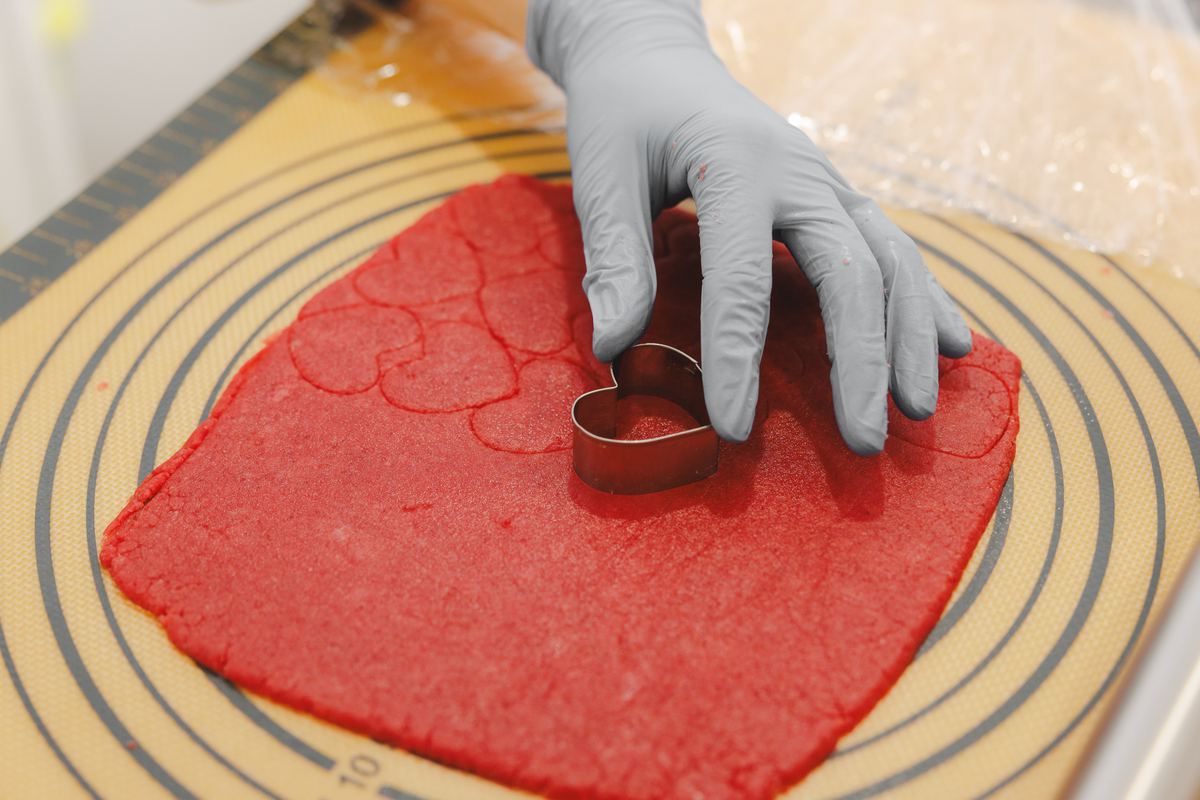
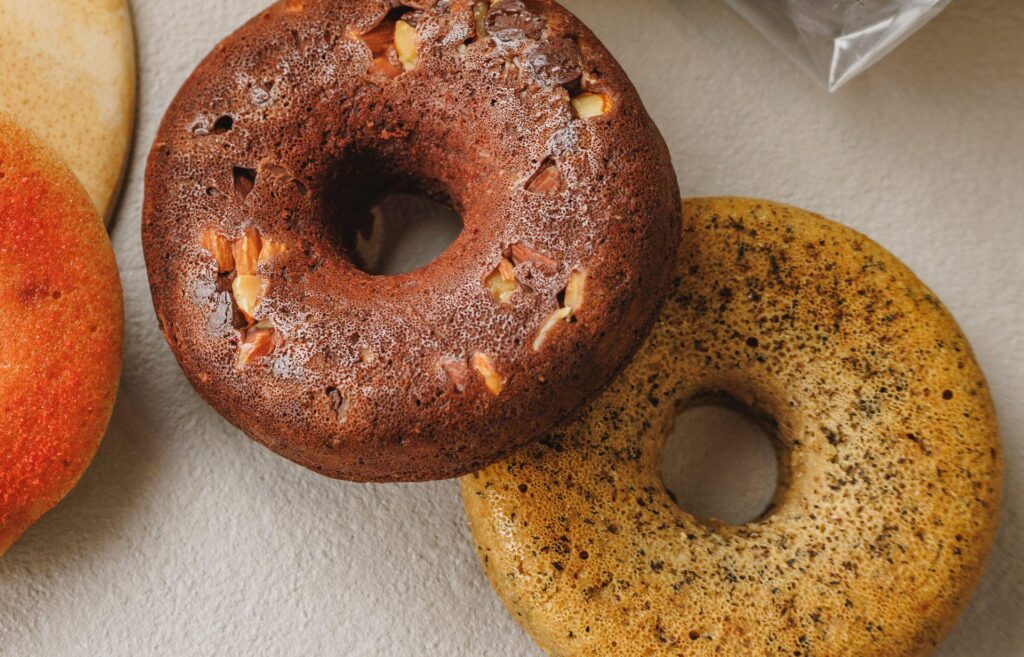
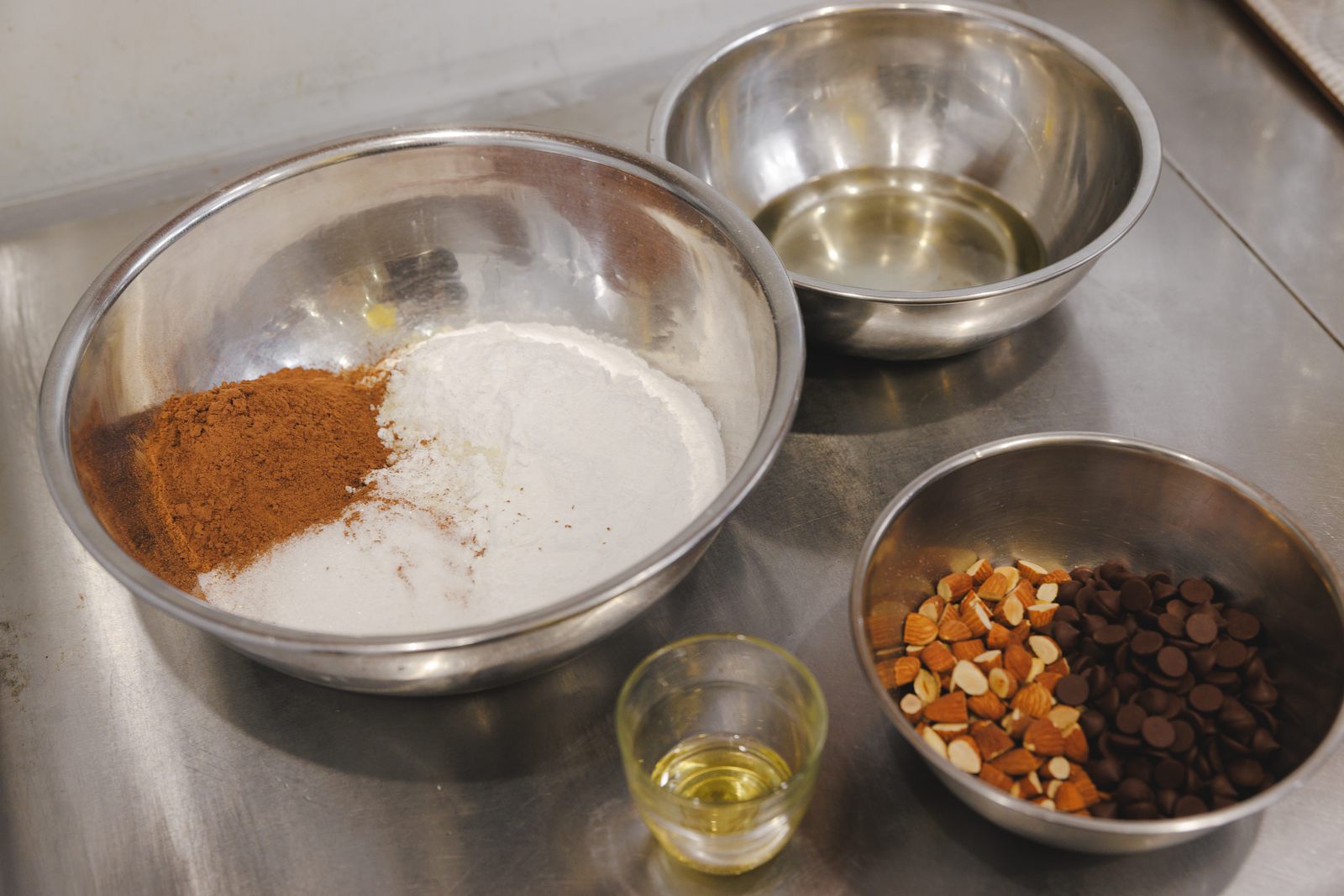
At L for You AOYAMA, our cookies, donuts and pound cakes are baked with carefully selected rice flour. The oatmeal cookie is the exception: it is made with gluten-free oats, not rice flour. All our baked goods are vegan.
| Main flour on the label | Other flours | |
|---|---|---|
| Beet cookies | Rice flour (first ingredient) | Almond flour |
| Donuts | Rice flour (second, after organic soy milk) | Almond flour |
| Pound cakes | Rice flour (second ingredient) | Some flavors also use almond flour and potato starch |
| Oatmeal cookie | No rice flour: organic gluten-free oatmeal | Almond flour |
From our product ingredient labels (October 2026). Ingredients are listed from the largest amount. Flavors on the shop shelf change from day to day.
We don’t use wheat flour, and no wheat is handled in our kitchen. However, we cannot rule out trace contamination that comes from the raw materials themselves — for example, when an ingredient is grown or processed near wheat. Some items contain nuts such as walnuts and almonds.
Frequently Asked Questions
Visit Us
| L for You AOYAMA | |
|---|---|
| Address | Ikegami Building 1F, 3-9-3 Minami-Aoyama, Minato-ku, Tokyo |
| Access | 6-minute walk from Omotesando Station, Exit A4 |
| Hours | Mon–Thu 11:00–20:00 / Fri 11:00–21:00 / Sat 9:30–21:00 / Sun 9:30–18:00 |
| Phone | +81-3-6459-2504 |
See how to find us, browse the menu, or read our guide for celiac guests.
Sources (checked October 25, 2026)
- Ministry of Agriculture, Forestry and Fisheries (Tokai): Types and uses of rice flour (Japanese)
- Ministry of Agriculture, Forestry and Fisheries: Non-gluten rice flour (Japanese)
- Ministry of Agriculture, Forestry and Fisheries: How soy sauce is made (Japanese)
- Ministry of Agriculture, Forestry and Fisheries: Senbei-jiru, Aomori — on Nanbu senbei (Japanese)
- Ministry of Agriculture, Forestry and Fisheries: Hangeshō-mochi / komugi-mochi, Nara (Japanese)
- Ministry of Agriculture, Forestry and Fisheries: Kuzumochi, Nara (Japanese)
- Agriculture & Livestock Industries Corporation: Kuzumochi (久寿餅) and fermented wheat starch (June 2023, Japanese, PDF)
- Consumer Affairs Agency: Handbook on allergy labeling for processed foods (April 2026, Japanese, PDF)